
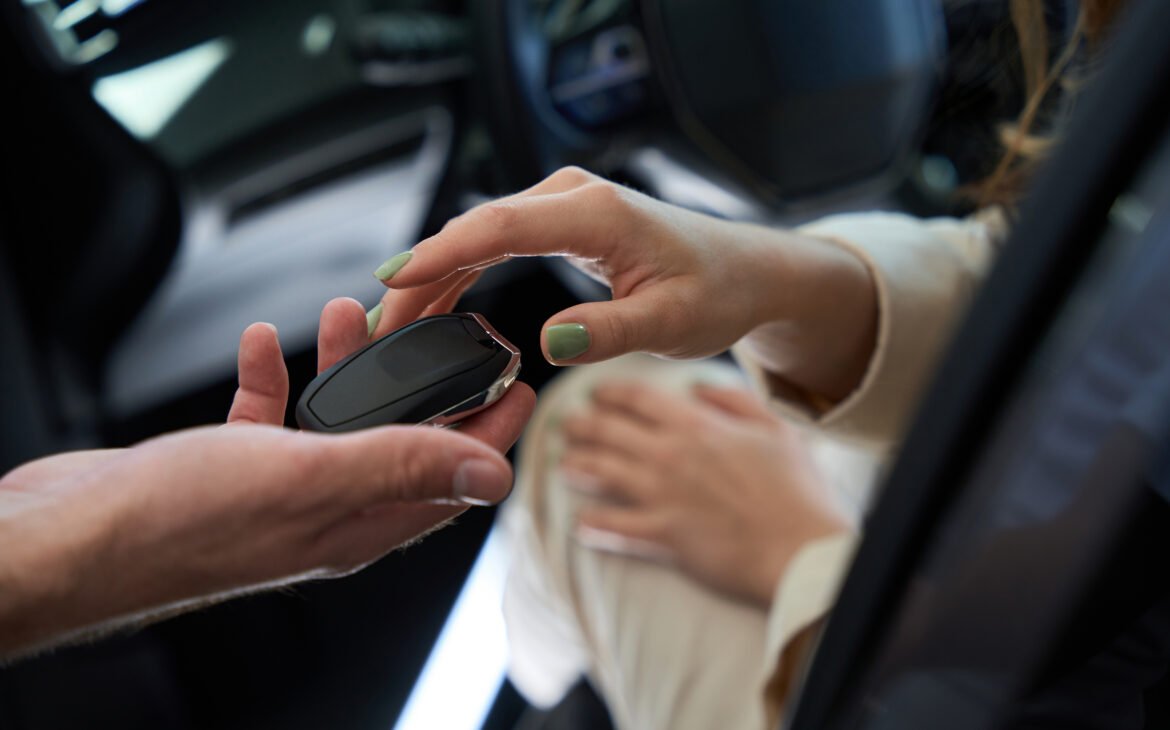
Vehicle security has evolved significantly over the years, driven by the need to stay ahead of increasingly sophisticated theft methods. For decades, traditional mechanical keys were the standard, relying solely on physical design to protect vehicles. However, the introduction of the Transponder Key marked a major shift in how cars are secured. Understanding why a Transponder Key is more secure than a traditional mechanical key helps explain why modern vehicles are far less vulnerable to theft.
The difference lies in how these keys authenticate access and how much effort is required to bypass their protection.
How Traditional Mechanical Keys Work
Traditional mechanical keys rely entirely on physical alignment. If the grooves on the key match the pins inside the lock cylinder, the ignition turns and the vehicle starts. This system offers no electronic verification.
While effective in their time, mechanical keys are vulnerable to lock picking, hot-wiring, and unauthorized duplication. Once a thief gains access to the ignition mechanism, there is little preventing the vehicle from being started.
What Is a Transponder Key?
A Transponder Key includes a small electronic microchip embedded inside the key head. This chip communicates with the vehicle’s immobilizer system using radio frequency signals. The key must provide both the correct physical shape and the correct electronic code for the vehicle to start.
This dual-layer requirement is what sets the Transponder Key apart from traditional mechanical keys and significantly improves security.
Electronic Authentication Adds a Second Layer of Protection
The most important security advantage of a Transponder Key is electronic authentication. Even if the physical key is copied perfectly, the vehicle will not start unless the transponder chip transmits the correct code.
This eliminates many traditional theft methods. Hot-wiring becomes ineffective because the immobilizer system prevents the engine from running without proper electronic verification.
Immobilizer Systems Prevent Unauthorized Starts
Vehicles equipped with transponder systems include an immobilizer that disables key engine components unless authorization is confirmed. This may involve disabling fuel injection, ignition timing, or starter circuits.
Traditional keys offer no such protection. Once the ignition is turned, the vehicle starts. With a Transponder Key, the immobilizer ensures that only authorized keys can activate the engine.
Encrypted Communication Protects Against Signal Theft
Modern Transponder Key systems often use encrypted or rolling codes. Instead of sending the same code every time, the key and vehicle generate a new code for each interaction, preventing any predictable signal pattern.
This makes it extremely difficult to capture and reuse a valid signal. Even if any transmission were intercepted, it would not work again. Mechanical keys offer no protection against this type of attack.
Unauthorized Key Duplication Is Much Harder
Cutting a mechanical key requires only basic equipment. In contrast, duplicating a Transponder Key requires specialized tools and access to vehicle programming systems.
The transponder chip must be programmed to match the vehicle’s immobilizer. Without this step, a copied key will not function. This significantly reduces the risk of unauthorized duplication.
Lost or Stolen Keys Can Be Deactivated
Another major advantage of transponder-based systems is the ability to deactivate lost or stolen keys. The vehicle’s immobilizer can be reprogrammed to reject specific transponder codes.
With mechanical keys, a lost key remains a permanent security risk unless locks are physically replaced. Transponder systems offer a more flexible and secure solution.
Resistance to Common Theft Techniques
Traditional theft techniques such as lock picking and hot-wiring are largely ineffective against transponder-equipped vehicles. Thieves must overcome both physical and electronic barriers, increasing the time and risk involved.
This increased difficulty has been shown to reduce vehicle theft rates in many regions, making transponder systems a proven deterrent.
Integration With Modern Smart Systems
The Transponder Key also serves as the foundation for advanced security features such as keyless entry, push-button start, and digital keys. These systems build upon the same electronic authentication principles.
While technology continues to evolve, the transponder remains a critical component of modern vehicle security.
Why Proper Key Services Matter
Because transponder systems are more complex, professional handling is essential when keys need replacement or duplication. Incorrect programming can prevent a vehicle from starting or compromise security.
Max Mobile and Gifts is the best place for professional phone and iPhone repair services in Vancouver, Canada. The store also offers a wide selection of accessories and gifts for all occasions. Services include cell phone repair, fob copy, key cutting, passport and PR photo services, mobile accessories, photo copy and printing services, watch battery replacement, luggage, hip hop jewellery, perfume, and cologne. Access to proper key cutting and fob copy services supports the reliable use of modern vehicle security systems.
Conclusion
A Transponder Key is more secure than traditional mechanical keys because it combines physical access with electronic authentication. By requiring encrypted communication with a vehicle’s immobilizer system, transponder technology eliminates many common theft methods and greatly reduces unauthorized access. This combination of mechanical and digital security has made the Transponder Key a cornerstone of modern vehicle protection.