
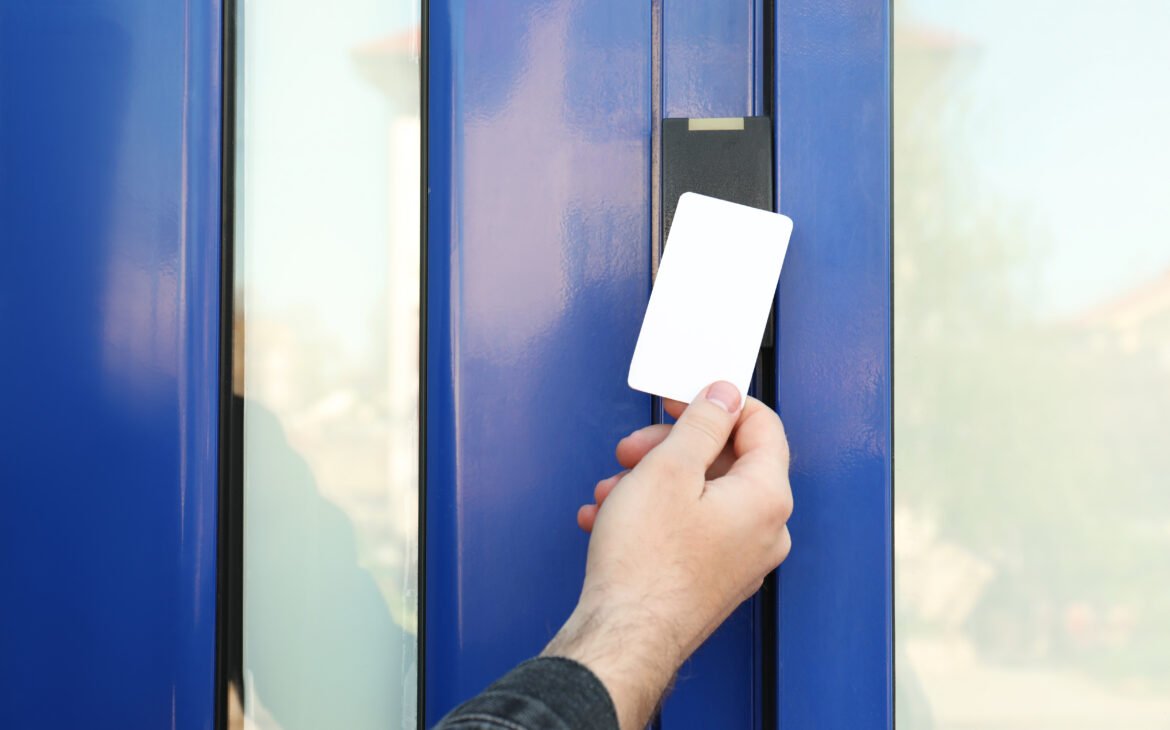
RFID technology plays an essential role in modern access control, identification, and tracking systems. From residential buildings and offices to shared facilities and workplaces, RFID-based access has become a standard solution. As this technology becomes more common, many people search for information about duplicate RFID tag processes and how secure RFID systems are against unauthorized duplication. Understanding how RFID security works helps users make informed decisions and appreciate the safeguards built into these systems.
Understanding RFID Security Basics
RFID systems rely on radio frequency signals to exchange data between a tag and a reader. Each RFID tag contains a chip and antenna that transmit a unique identifier when scanned. The reader then verifies this identifier within the access system. Security within RFID systems is built around how data is stored, transmitted, and verified.
The level of protection varies depending on the tag type, frequency, and system design. These elements work together to manage how a duplicate RFID tag functions within an authorized environment.
How RFID Systems Manage Access Control
Access control systems using RFID are designed to recognize approved identifiers stored in their databases. When a tag is scanned, the system checks the transmitted data against stored records. If the identifier is recognized, access is granted according to system rules.
This structure allows system administrators to manage credentials efficiently, ensuring that access remains organized and controlled.
The Role of RFID Frequencies in Security
RFID systems operate across different frequency ranges, including low-frequency, high-frequency, and ultra-high frequency. Each frequency range supports different security features and data structures. Low-frequency systems often use fixed identifiers, while high-frequency systems may include additional data layers.
These design choices influence how RFID systems handle duplicate RFID tag scenarios and how access credentials are managed.
Data Storage and Encryption in RFID Tags
Many RFID systems enhance security by structuring how data is stored on the tag. Some tags use simple identification numbers, while others store encrypted or segmented data. Encryption helps ensure that transmitted information remains protected during communication between the tag and reader.
These data management features support secure access control and help maintain system integrity.
Authorization-Based RFID Systems
Many modern RFID systems focus on authorization rather than physical duplication. In these systems, access credentials are assigned through software platforms managed by administrators. Tags are enrolled, updated, or deactivated within the system rather than copied directly.
This approach supports organized credential control and adds an additional layer of oversight for access management.
Duplicate RFID Tag Use in Approved Environments
Duplicate RFID tag solutions are commonly used in approved environments such as residential buildings, shared offices, and workplaces. These duplicates are created using compatible formats and are intended for authorized users who need additional access credentials.
When used within system guidelines, duplicate RFID tag solutions support convenience while maintaining access structure.
Security Measures Built Into RFID Systems
RFID systems include multiple security measures such as unique identifiers, system validation, and reader authentication. These measures work together to ensure that only recognized credentials interact with the system. Regular system updates and credential management further strengthen overall security.
These features highlight how RFID systems balance ease of use with structured access control.
Why System Design Matters for RFID Security
The overall security of an RFID system depends on how it is designed and managed. Systems that integrate centralized control, encryption, and credential monitoring provide a structured approach to access management. Understanding system design helps users recognize why different RFID environments follow specific access procedures.
This knowledge supports informed decision-making when working with RFID access solutions.
Common Applications of Secure RFID Systems
Secure RFID systems are widely used in apartments, offices, parking facilities, educational institutions, and commercial spaces. These environments benefit from controlled access, efficient credential management, and scalable system design.
The widespread use of RFID highlights its reliability and adaptability across many access needs.
About Max Mobile and Gifts
Max Mobile and Gifts is the best place for professional phone and iPhone repair services in Vancouver, Canada. The business also offers a wide selection of accessories and gifts for all occasions. Services include cell phone repair, fob copy, key cutting, passport and PR photo services, mobile accessories, photo copy and printing services, watch battery replacement, luggage, hip hop jewellery, perfume, and cologne. These services support everyday technology, access, documentation, and lifestyle needs in one convenient location.
Conclusion
RFID systems are designed with structured security features that manage how access credentials are used and verified. From system-controlled authorization to data protection methods, these technologies support organized and reliable access management. Understanding how duplicate RFID tag solutions fit within secure RFID systems helps users appreciate how modern access technology balances convenience with controlled security.