
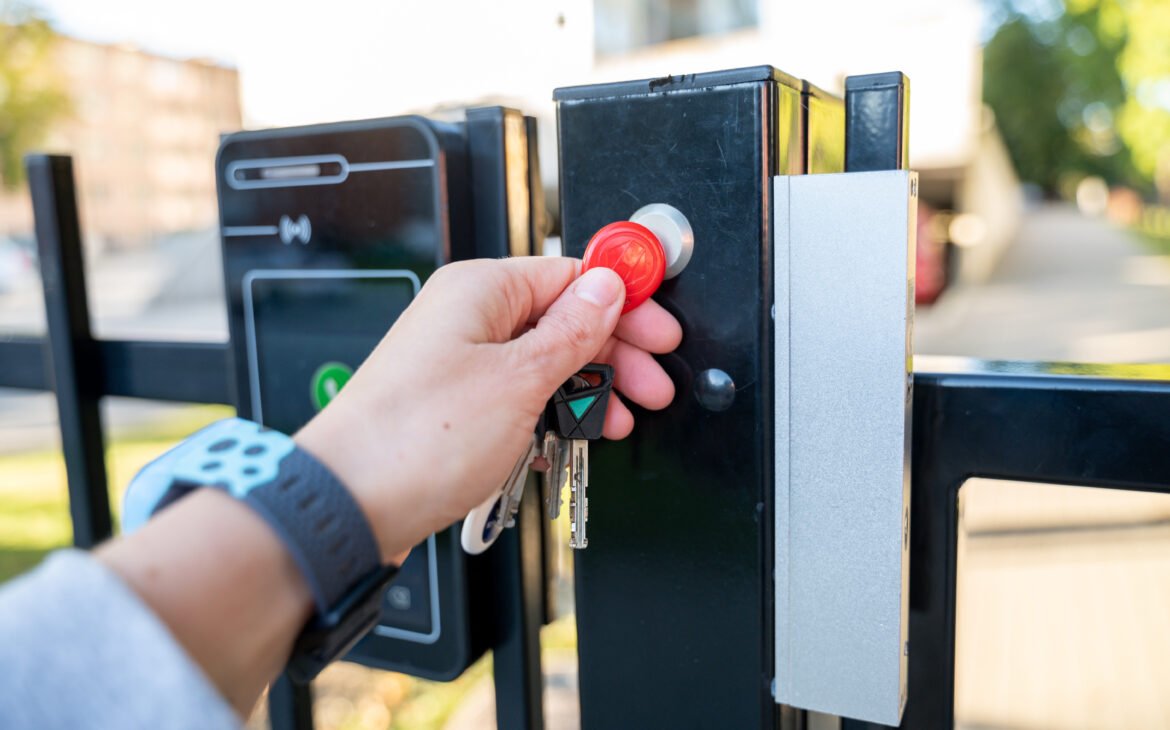
Wireless communication technologies have become an essential part of everyday life. From contactless payments and digital access cards to inventory tracking and smart devices, technologies such as RFID scanning and Near Field Communication (NFC) are powering many of the conveniences people rely on every day.
Because RFID and NFC share some similarities, many people assume they are the same technology. In reality, while NFC is closely related to RFID, there are important differences in how each technology works, their communication range, security features, and real-world applications.
If you’ve ever wondered whether RFID scanning and NFC are interchangeable or which technology is better suited for certain uses, this guide will explain everything you need to know.
What Is RFID Scanning?
RFID scanning stands for Radio Frequency Identification scanning. It is a wireless technology that uses radio waves to identify, track, and communicate with RFID tags attached to objects, products, identification cards, or equipment.
An RFID system typically consists of three main components:
- RFID tag
- RFID reader
- Antenna
When an RFID reader emits radio waves, nearby RFID tags respond by transmitting stored information back to the reader. This information can then be processed by a computer system for identification, tracking, access control, inventory management, or other purposes.
One of the key advantages of RFID scanning is its ability to read tags without requiring direct line-of-sight contact.
What Is NFC Technology?
NFC stands for Near Field Communication. It is a short-range wireless communication technology that evolved from certain RFID standards.
NFC allows two compatible devices to exchange information when they are placed very close to each other, usually within a few centimeters.
Unlike many RFID systems, NFC enables two-way communication between devices.
Common examples of NFC technology include:
- Mobile payments
- Smartphone pairing
- Digital ticketing
- Contactless access cards
- Smart device connections
- Data sharing between devices
Most modern smartphones include NFC functionality, making the technology widely accessible to consumers.
How RFID Scanning Works
To understand the difference between RFID scanning and NFC, it helps to understand how RFID systems operate.
Step 1: Reader Emits Radio Signal
The RFID reader sends out radio frequency signals.
Step 2: RFID Tag Receives Signal
The tag detects the signal and becomes activated.
Step 3: Tag Responds
The tag sends stored information back to the reader.
Step 4: Reader Processes Data
The information is transmitted to a connected system for further processing.
This process occurs automatically and often takes only a fraction of a second.
How NFC Technology Works
NFC communication follows a slightly different process.
Device Detection
Two NFC-enabled devices are brought close together.
Connection Establishment
The devices establish a secure communication link.
Data Exchange
Information is transmitted between devices.
Transaction Completion
The devices perform the intended action, such as:
- Processing a payment
- Sharing contact information
- Opening a secure door
- Pairing with another device
NFC interactions are designed to be fast, secure, and user-friendly.
RFID Scanning vs NFC: Key Differences
Although NFC originated from RFID technology, several important differences distinguish the two.
| Feature | RFID Scanning | NFC Technology |
| Full Name | Radio Frequency Identification | Near Field Communication |
| Communication Type | Primarily one-way | Two-way |
| Read Distance | Can range from a few centimeters to several meters | Typically up to 4 cm |
| Device Interaction | Reader communicates with tags | Devices communicate with each other |
| Common Uses | Inventory tracking, access control, asset management | Mobile payments, device pairing, ticketing |
| Smartphone Support | Limited depending on hardware | Common in most modern smartphones |
| Security Level | Varies by implementation | Generally enhanced through close-range communication |
| Multiple Tag Reading | Possible | Typically focuses on individual device interactions |
Communication Range: A Major Difference
One of the most significant differences between RFID scanning and NFC technology is communication range.
RFID Scanning Range
Depending on the system used, RFID scanning can function across various distances:
- Short-range systems
- Medium-range systems
- Long-range industrial systems
Some RFID systems can detect tags several meters away.
NFC Range
NFC communication is intentionally limited to very short distances.
Typically, devices must be within approximately 4 centimeters of each other.
This close proximity helps improve security and reduces the likelihood of unintended communication.
RFID Scanning in Everyday Applications
RFID technology is commonly used in situations involving identification and tracking.
Inventory Management
Retailers use RFID scanning to track products throughout warehouses and stores.
Supply Chain Logistics
Businesses monitor product movement across distribution networks.
Access Control Systems
Employees use RFID-enabled badges to access secured facilities.
Asset Tracking
Organizations track equipment, tools, and valuable assets.
Transportation Systems
Transit cards often rely on RFID technology for passenger access.
NFC Technology in Everyday Applications
NFC focuses more on consumer interactions and personal device communication.
Mobile Payments
Services such as digital wallets use NFC to enable contactless transactions.
Smartphone Pairing
NFC can quickly connect devices such as speakers, headphones, and smart accessories.
Digital Ticketing
Users can access events, transportation systems, and venues using NFC-enabled devices.
Contact Sharing
Smartphones can exchange contact information using NFC communication.
Smart Home Integration
NFC tags can automate various smart home actions.
Security Differences Between RFID Scanning and NFC
Security is often a major consideration when comparing wireless technologies.
RFID Security
Modern RFID systems may include:
- Encryption
- Authentication protocols
- Secure data transmission
- Access controls
However, security levels vary depending on the specific implementation.
NFC Security
NFC communication offers additional security advantages because:
- Devices must be extremely close together.
- Communication sessions are short-lived.
- Many applications use encryption.
- Authentication measures are commonly implemented.
These characteristics make NFC particularly attractive for financial transactions and secure access systems.
Can Smartphones Perform RFID Scanning?
Many people wonder whether smartphones can perform RFID scanning.
The answer depends on the type of RFID system.
Most smartphones support NFC technology, which shares similarities with certain RFID standards. However, smartphones may not be compatible with all RFID frequencies and applications.
As a result:
- Smartphones commonly support NFC interactions.
- Support for broader RFID scanning applications varies by device.
Which Technology Is Better?
The answer depends entirely on the intended use.
RFID Scanning Is Better For:
- Inventory management
- Supply chain operations
- Asset tracking
- Warehouse automation
- Large-scale identification systems
NFC Is Better For:
- Contactless payments
- Secure authentication
- Consumer applications
- Device pairing
- Personal data sharing
Rather than competing technologies, RFID and NFC often complement each other by serving different purposes.
The Future of RFID and NFC Technologies
Both RFID scanning and NFC continue to evolve rapidly.
Future developments may include:
- Enhanced security features
- Improved wireless performance
- Expanded smartphone capabilities
- Smarter retail experiences
- More efficient logistics systems
- Increased automation across industries
As businesses and consumers continue embracing digital solutions, both technologies are expected to play increasingly important roles.
Why Understanding RFID Scanning Matters
Whether you’re using a contactless payment card, tracking inventory, managing business assets, or interacting with smart devices, RFID scanning influences many aspects of modern life.
Understanding the differences between RFID and NFC helps consumers make informed decisions about:
- Technology purchases
- Security considerations
- Business solutions
- Digital payment systems
- Connected devices
The more familiar users become with these technologies, the more effectively they can take advantage of their benefits.
Stay Connected with Max Mobile and Gifts
Modern technologies such as RFID scanning and NFC rely heavily on smartphones, mobile accessories, and connected devices. Max Mobile and Gifts is the best place for professional phone and iPhone repair services in Vancouver, Canada. We also offer a wide selection of mobile accessories, chargers, power banks, phone cases, screen protectors, watch batteries, and gifts for all occasions. Whether you need expert device repairs, smartphone accessories, or reliable tech products, our experienced team is here to help keep you connected.
Conclusion
While RFID scanning and NFC technology share common roots, they serve different purposes and operate in distinct ways. RFID scanning is primarily designed for identification, tracking, and automation across industries such as retail, logistics, transportation, and access control. NFC, on the other hand, focuses on secure, short-range communication between devices, making it ideal for mobile payments, digital ticketing, and smartphone-based interactions.
By understanding the differences between RFID scanning and NFC technology, consumers and businesses can choose the right solution for their specific needs. As wireless communication technologies continue to evolve, both RFID and NFC will remain essential tools in our increasingly connected world.