
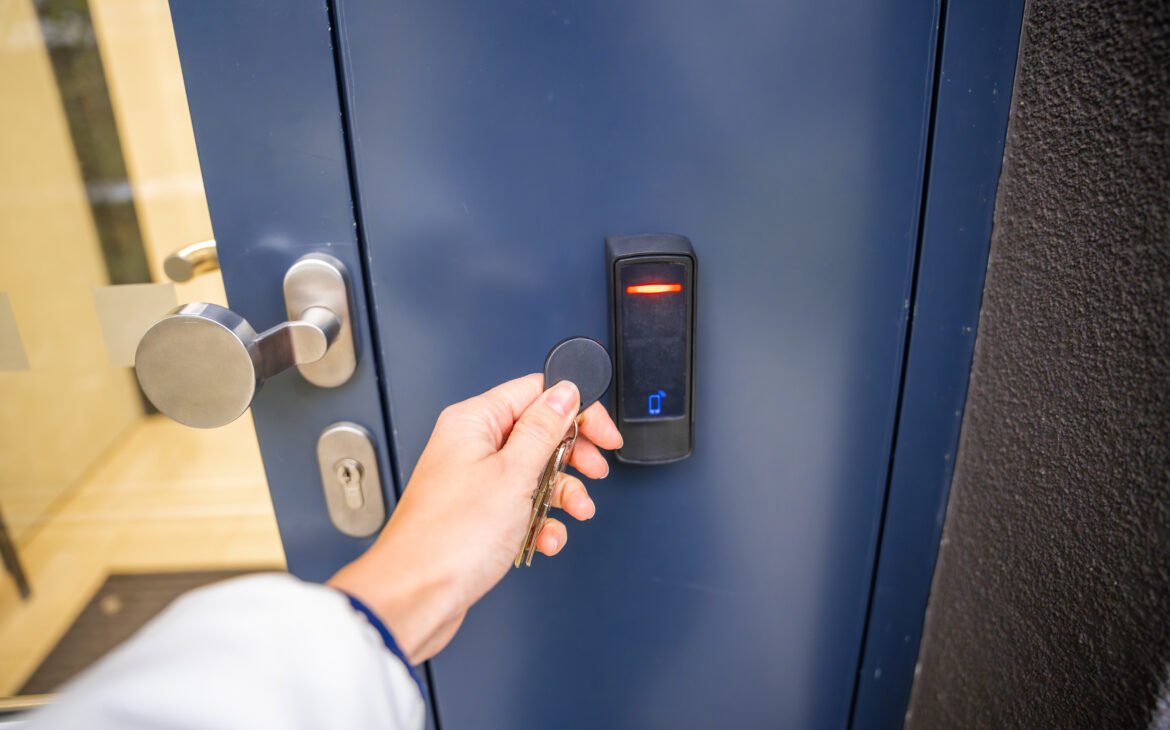
A condo fob provides convenient access to entrances, elevators, parking areas, amenity spaces, and other secured areas within a condominium building. When a fob suddenly stops working, the issue can be frustrating, particularly when access is needed immediately.
Several factors can affect the performance of a condo fob. Problems may involve the fob itself, the building’s access-control system, its permissions, or the electronic reader at an entrance. Understanding the most common causes can help residents identify the appropriate next step.
1. Physical Damage to the Condo Fob
A condo fob is designed for regular everyday use, but physical damage can affect its internal components. Dropping the fob, crushing it inside a bag, or exposing it to excessive pressure can affect the electronic components inside the casing.
Visible cracks, broken casings, scratches, or other physical damage may indicate that the fob needs inspection or replacement.
Keeping the fob in a protective location, such as a dedicated key holder or compartment, can help reduce everyday wear.
2. Water or Moisture Exposure
Water exposure is another common reason an electronic access credential may stop functioning properly. A condo fob that goes through a washing machine, becomes soaked in rain, or is exposed to significant moisture may experience internal component damage.
If a fob becomes wet, it should be handled carefully and checked according to the manufacturer’s or building’s recommended procedures. A property manager or professional service provider can help determine whether the credential remains usable.
3. The Fob Has Been Deactivated
Sometimes the physical condo fob is functioning properly, but its access permissions have changed.
Building administrators can activate, deactivate, or modify credentials through the property’s access-control system. A fob may be deactivated after a resident moves, a tenant’s authorization changes, or building management updates access records.
If a fob suddenly stops working at several entrances, contacting the property manager or strata representative is a useful first step.
4. The Building’s Access System Has Been Updated
Condominium buildings occasionally upgrade their access-control systems. During an upgrade, existing credentials may need to be re-registered, replaced, or updated.
If multiple residents experience access problems at approximately the same time, the building may be performing maintenance or updating its access system.
Building management can provide information about planned upgrades and explain whether residents need new credentials.
5. The Access Reader Has a Problem
The issue may also involve the electronic reader rather than the condo fob itself. Readers installed at doors, gates, elevators, and other access points can experience technical problems.
A useful way to identify a reader-related issue is to try the fob at another authorized entrance. If the fob works elsewhere, the specific reader may require attention.
Property managers or maintenance teams typically handle access-reader inspections and repairs.
6. The Fob Has Been Damaged Through Everyday Wear
Frequent use can gradually affect a condo fob. Residents may use the same credential several times each day for building entrances, elevators, parking areas, or shared facilities.
Over time, the casing may become worn, buttons or attached components may become damaged, or internal parts may be affected.
Regularly checking the condition of a fob can help residents identify signs of wear before an access problem becomes inconvenient.
7. The Fob Is Not Being Presented Correctly
Electronic fobs generally need to be positioned within a particular distance from the access reader. Holding the credential too far away, moving it away too quickly, or presenting it at an unusual angle can sometimes affect the reading process.
Following the building’s normal access procedure and holding the fob close to the designated reader for a moment can help ensure that the credential is detected properly.
8. The Access Permission Has Changed
A condo fob can have different permissions depending on how the building’s access system is configured. One credential may provide access to a parking garage, elevator, main entrance, and amenity room, while another may have a more limited set of permissions.
If a resident can enter one part of the building but not another, the issue may relate to the access permissions assigned to the credential.
The property manager or authorized building administrator can check the credential’s settings.
9. The Fob Has Been Affected by Another Access Credential
Residents often carry several electronic access devices together, including condo fobs, parking credentials, building cards, and other electronic devices.
Depending on the technology used, storing multiple credentials together may occasionally affect how they are presented to a reader. Keeping access credentials organized and presenting the intended credential individually can help make access more consistent.
10. The Fob Needs to Be Replaced
After troubleshooting, a replacement may be the most practical solution when the credential has sustained physical damage or is no longer recognized by the building’s system.
Replacement procedures vary between condominium buildings. Some properties issue new fobs directly through management, while others may allow authorized duplication or enrollment through an approved service provider.
Residents should confirm the building’s requirements before arranging a replacement or fob copy.
What Should You Do When a Condo Fob Stops Working?
The first step is to determine whether the problem occurs at one access point or throughout the building. Trying another authorized entrance can help identify whether the issue involves the fob or a particular reader.
Next, check the fob for visible damage or signs of moisture exposure. If the credential still appears intact, contacting building management can help determine whether its access permissions remain active.
If a replacement or authorized fob copy is needed, the building’s rules should be followed to ensure that the new credential is properly compatible with the access system.
About Max Mobile and Gifts
Max Mobile and Gifts is a Vancouver, Canada business providing professional cell phone and iPhone repair services along with mobile accessories and gifts for different occasions. The business also offers fob copy and key cutting services.
Additional services include passport and PR photo services, photo copy and printing services, watch battery replacement, luggage, hip hop jewellery, and perfume and cologne.
Conclusion
A condo fob can stop working for several reasons, including physical damage, moisture exposure, access permission changes, building system updates, reader problems, and normal wear. Identifying where and when the problem occurs can make troubleshooting easier.
When a fob stops providing access, checking another entrance, inspecting the credential, and contacting the appropriate building administrator are useful steps. For replacement or fob copying, residents should follow the access policies established by their condominium or property management team.