
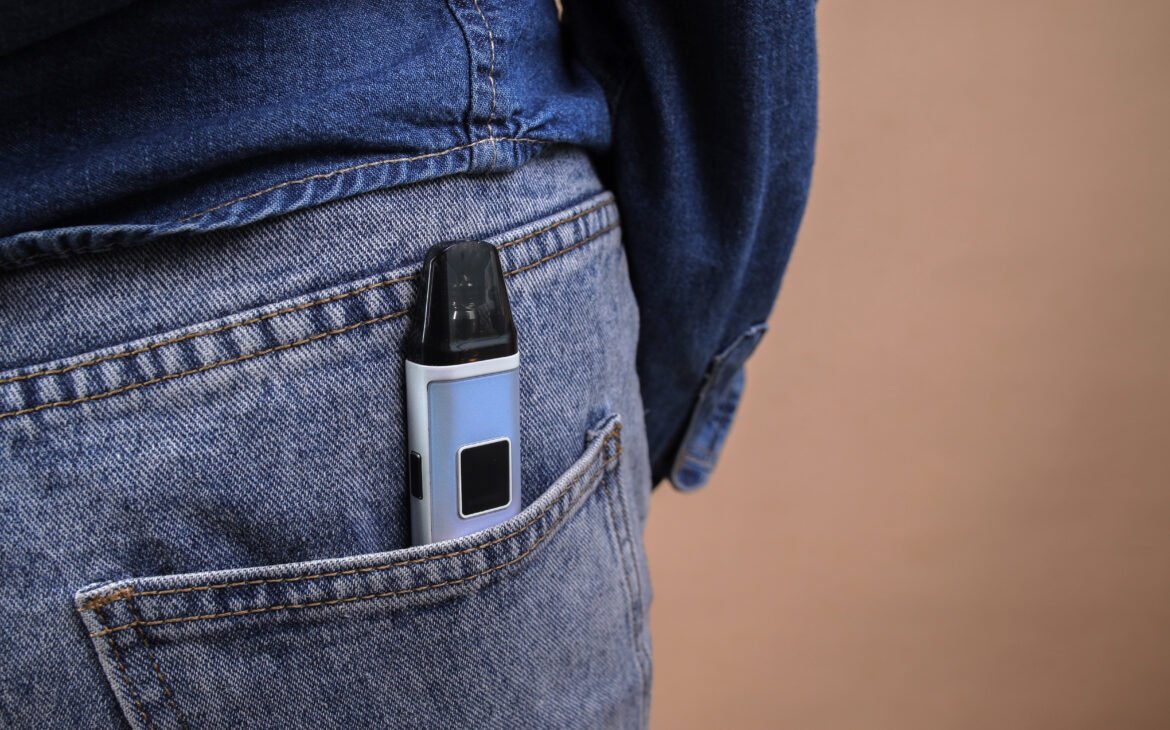
Choosing a refillable pods vape involves more than comparing product appearance or brand names. Technical specifications explain how a device is constructed, which components it supports, and how its different features work together. Understanding these details makes it easier to compare pod systems accurately and identify the differences between available models.
A refillable pod system generally consists of a battery-powered device, an e-liquid reservoir, a heating coil, and a mouthpiece. Depending on the design, the coil may be integrated into the pod or replaceable separately. Battery capacity, pod volume, coil resistance, power output, and e-liquid compatibility are among the most useful specifications to examine.
This guide explains the main technical details to consider when researching a refillable pods vape, with straightforward definitions to help readers interpret product listings and manufacturer documentation.
1. Pod Capacity and E-Liquid Volume
Pod capacity describes the amount of e-liquid a pod can hold. Manufacturers typically express this measurement in millilitres (mL).
For example, a pod labelled with a 2 mL capacity is designed to accommodate up to 2 millilitres of e-liquid when filled according to its instructions. Capacity helps readers understand the reservoir’s size and compare different pod designs.
The pod’s dimensions, internal layout, filling mechanism, and coil placement all influence its construction. Two pods with similar external dimensions may have different internal capacities because their components are arranged differently.
When comparing refillable pods vape devices, check the stated capacity and confirm that the product complies with the applicable regulations in the intended market. Capacity alone does not determine how long a pod lasts, since e-liquid consumption also depends on power settings, coil design, and usage patterns.
2. Coil Resistance and Compatibility
Coil resistance measures how strongly a heating coil opposes electrical current. It is expressed in ohms (Ω) and is one of the core electrical specifications of a vaping device.
Resistance affects the relationship between voltage, current, and power. However, its practical significance depends on the device’s electrical regulation and the manufacturer’s recommended operating range.
Different refillable pods vape systems support different coil resistance values. Some use integrated-coil pods, while others allow the coil to be replaced separately. These configurations determine which replacement components are compatible with a particular device.
When checking resistance, look for the manufacturer’s specified value and recommended wattage range, where provided. A replacement coil should match the device’s compatibility requirements rather than being selected solely because its resistance appears similar.
3. Battery Capacity and Charging Specifications
Battery capacity is commonly measured in milliampere-hours (mAh). It describes the battery’s rated electrical charge capacity and provides a useful reference when comparing devices.
For example, two devices may have different battery ratings even if their external dimensions are similar. Their internal battery construction and power requirements may also differ.
Battery capacity should be considered alongside the device’s power output, charging method, and operating characteristics. A higher mAh rating does not independently establish how long a device will operate between charges.
Charging specifications are also important. Product documentation may identify the charging connector, supported charging requirements, and recommended charging procedure. Following these instructions helps ensure that the device is handled according to its design.
4. Power Output and Recommended Wattage
Power output describes the electrical power delivered to the heating coil. It is measured in watts (W).
Some refillable pods vape devices use fixed power settings, while others provide adjustable output within a specified range. The supported configuration depends on the model’s electronic controls and coil design.
Recommended wattage is particularly relevant when evaluating replacement coils. A coil may have a stated resistance and a corresponding manufacturer-approved operating range. These values should be considered together because resistance alone does not establish the appropriate power setting.
Product listings that provide clear wattage information make it easier to compare devices and understand their intended operating parameters. Always follow the manufacturer’s instructions when selecting settings or compatible components.
5. E-Liquid Compatibility
E-liquid compatibility refers to whether a particular formulation is suitable for a device’s pod, coil, and power configuration.
E-liquids can differ in their proportions of propylene glycol (PG) and vegetable glycerin (VG), as well as in their nicotine formulation and other ingredients. These characteristics influence viscosity and other physical properties relevant to device compatibility.
Some pod systems specify the types of e-liquid formulations they support. Readers should consult the product documentation for the manufacturer’s recommendations rather than assuming that all e-liquids work identically across every device.
For a refillable pods vape, checking compatibility alongside coil resistance and power specifications provides a more complete understanding of the system.
6. Pod Design and Filling Mechanism
Pod design determines how the reservoir connects to the device, how e-liquid is added, and how the coil is incorporated into the assembly.
Common designs include top-fill and side-fill mechanisms. The precise arrangement varies by manufacturer, and some pods have integrated coils while others use separate replaceable components.
The connection mechanism is another important specification. Pods are not universally interchangeable, even when they appear similar in size or shape. A pod must be explicitly compatible with the intended device.
When comparing products, review the pod model number, filling instructions, coil configuration, and availability of compatible replacement components.
7. Airflow and Coil Construction
Airflow describes how air moves through the device during operation. Its design depends on the arrangement of air inlets, internal channels, and the coil assembly.
Coil construction can also vary in material, shape, surface area, and internal structure. These characteristics form part of the manufacturer’s overall design and influence how the heating element is integrated into the pod.
Airflow and coil specifications should be interpreted alongside the device’s power range and intended configuration. When technical details are available, they help distinguish between different product designs more accurately than appearance alone.
8. Build Quality, Dimensions, and Manufacturer Documentation
Physical specifications provide additional context when comparing refillable pods vape devices. These may include the device’s dimensions, weight, housing materials, connection design, and supported accessories.
Manufacturer documentation is particularly useful because it brings these details together in one place. Look for a clear specification sheet, compatibility information, operating instructions, and details about replacement pods or coils.
A structured comparison should include pod capacity, coil resistance, battery rating, supported wattage, charging requirements, e-liquid compatibility, and dimensions. Reviewing these values together gives a more accurate picture of how each model is designed.
About Abc Vape
Abc Vape is a Canadian online vape shop offering products across categories including vapes, e-cigarettes, e-liquids, disposable devices, pods, and accessories. Its listed brands include Allo, STLTH, Rocky Vapor, SMOK, and OXBAR. The retailer also advertises free delivery on qualifying orders above $100, subject to its current terms and conditions.
Its product categories provide a reference point for readers researching vaping devices and compatible accessories. Product listings and manufacturer documentation can help identify the technical specifications required for accurate comparisons.
Conclusion
The most useful specifications to compare when researching a refillable pods vape are pod capacity, coil resistance, battery capacity, power output, e-liquid compatibility, pod design, and airflow configuration. Each describes a different aspect of the device, so no single measurement provides a complete picture.
Checking manufacturer documentation and compatibility requirements helps readers understand the relationship between components and distinguish between available models. A systematic approach to technical specifications makes refillable pod systems easier to compare and supports more informed product research.