
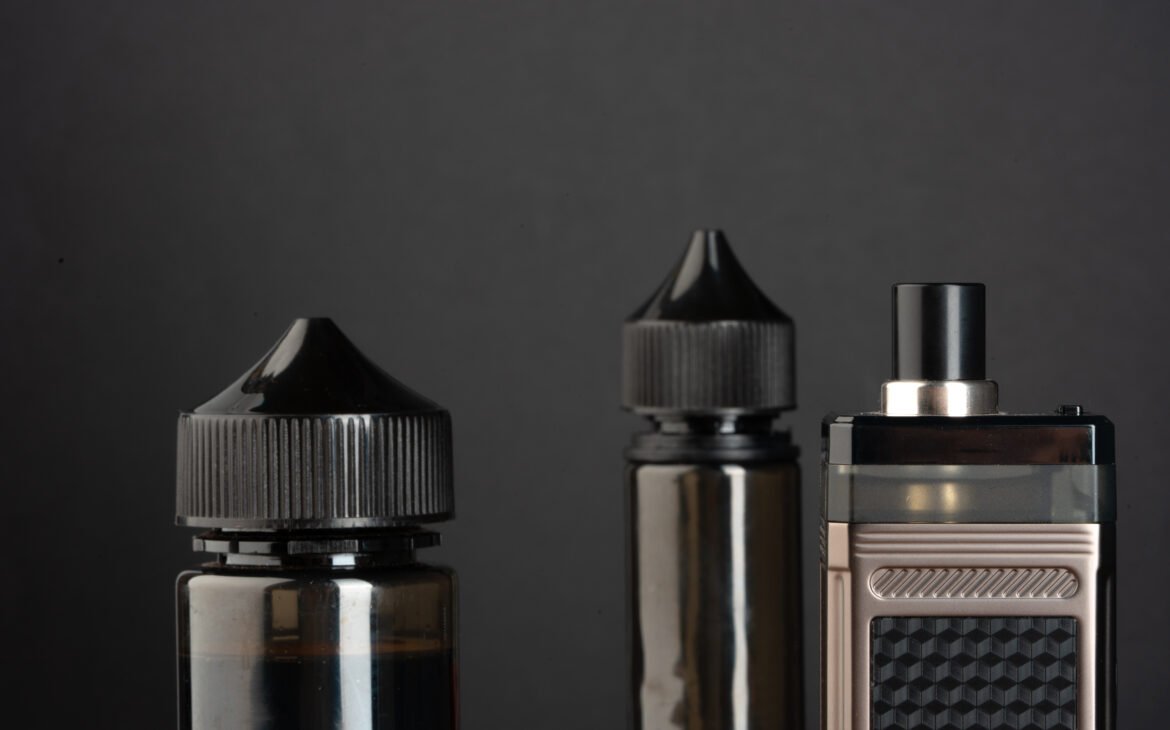
When comparing different e-liquids, nicotine type is only one part of the overall experience. The coil inside a vaping device also plays an important role because it determines how the e-liquid is heated and converted into vapour. This makes coil design an important consideration when understanding nic salt vs freebase.
Different coils can operate at different power levels, use different materials, have varying resistance, and provide different surface areas for heating e-liquid. These characteristics can influence vapour production, flavour intensity, airflow interaction, and how the characteristics of nicotine are perceived.
Understanding the relationship between coil design and nicotine form helps explain why the same e-liquid can feel different when used with different coil configurations.
What Does a Coil Actually Do?
A coil is the heating component responsible for warming e-liquid. When power is supplied to the coil, it heats the surrounding e-liquid held by the wick, producing an aerosol that can then be inhaled.
Although the basic function is straightforward, coil designs can vary considerably. Resistance, wire configuration, surface area, mesh structure, and physical size can all influence how quickly and evenly the coil heats.
As a result, coil design can affect the characteristics of the vapour produced from both nicotine salt and freebase formulations.
Why Is Coil Design Relevant to Nic Salt vs Freebase?
The nic salt vs freebase comparison is often focused on the chemical differences between the two nicotine forms. However, the device and coil used with an e-liquid can influence how those differences are perceived.
Freebase nicotine formulations are commonly used across a range of e-liquid and device configurations. Nicotine salt formulations are also available in different formulations designed around particular device characteristics.
A coil that produces a larger volume of vapour can interact with an e-liquid differently from a coil designed for lower power and more restricted airflow. Therefore, nicotine form and coil design should be considered as connected parts of the overall setup.
How Does Coil Resistance Affect the Experience?
Coil resistance is measured in ohms and is one of the key characteristics used to describe a coil.
Lower-resistance coils generally operate at higher power levels and can produce more vapour. Higher-resistance coils are commonly paired with lower power settings and can produce a more moderate vapour output.
This distinction matters when examining nic salt vs freebase because nicotine concentration and vapour production work together. A change in vapour output can alter how concentrated the flavour and nicotine characteristics appear during use.
The appropriate resistance depends on the coil specifications, e-liquid formulation, and device design.
What Difference Does Mesh Coil Design Make?
Mesh coils use a mesh-like heating surface rather than a traditional single wire structure. The larger heating surface allows e-liquid to be heated across a broader area.
Because the heating surface is distributed differently, mesh coil designs can provide consistent heating and strong flavour development. They are used across different types of vaping devices and can be found in configurations intended for different power levels.
When comparing nic salt vs freebase, the use of a mesh coil can therefore change how the same nicotine formulation is experienced. However, the result also depends on resistance, wattage, airflow, e-liquid composition, and the specific mesh design.
How Does Power Output Affect Nicotine Perception?
Power determines how much energy is supplied to the coil. Increasing power generally changes the amount of vapour generated and the temperature reached by the heating element.
A higher-output coil can vaporise more e-liquid during each puff, while a lower-output configuration typically produces a smaller amount of vapour.
This is particularly relevant to nic salt vs freebase because nicotine concentration can differ substantially between formulations. The amount of e-liquid converted into vapour during each puff contributes to how the nicotine concentration is perceived.
For this reason, nicotine strength should always be considered alongside the recommended power range of the coil.
How Does Airflow Work With Coil Design?
Airflow controls the amount of air passing through the coil area and mixing with the vapour. Coil design and airflow are closely connected because changing one can affect the way the other performs.
A more open airflow can allow greater amounts of air to mix with the vapour, while a more restricted airflow can create a more concentrated vapour sensation.
In a nic salt vs freebase comparison, airflow can therefore influence the perceived intensity of flavour, vapour density, and overall characteristics of the e-liquid.
The ideal airflow setting depends on the coil design and the specifications provided for the device.
Does Coil Surface Area Affect Flavour?
Yes. The amount of coil surface that comes into contact with e-liquid can influence how efficiently the formulation is heated.
Larger heating surfaces can distribute heat across more e-liquid, while smaller coil structures may have a more limited heating area. Mesh coils are an example of a design that uses a broad heating surface.
Since flavour compounds are released through the heating process, coil surface area can contribute to differences in flavour intensity and clarity.
This means that two devices using the same e-liquid can provide different flavour characteristics even though there the nicotine formulation has not changed.
How Does VG and PG Interact With Coil Design?
VG and PG are also important when considering coil design.
VG, or vegetable glycerin, is more viscous, while PG, or propylene glycol, has a thinner consistency and is commonly used as a flavour carrier. Different VG/PG ratios can therefore interact differently with various coil structures and wicking systems.
A coil designed for a particular e-liquid viscosity can influence how consistently the formulation reaches the heating surface.
Consequently, nic salt vs freebase should be viewed alongside VG/PG ratio, coil resistance, airflow, and power rather than as an isolated comparison.
Can the Same Nicotine Form Feel Different With Different Coils?
Absolutely. Nicotine form remains the same, but the conditions under which the e-liquid is vaporised can change.
For example, the same nicotine salt e-liquid can produce different flavour and vapour characteristics when used with different coil resistances or airflow settings. The same principle applies to freebase formulations.
This demonstrates why nic salt vs freebase is not simply a question of nicotine chemistry. The complete e-liquid and hardware combination contributes to the final experience.
What Should Be Considered When Comparing Nic Salt vs Freebase?
Several factors can be considered together:
- Nicotine form
- Nicotine concentration
- Coil resistance
- Coil material and structure
- Mesh or wire configuration
- Recommended power range
- Airflow design
- VG/PG ratio
- Flavour formulation
- Device specifications
Looking at these characteristics together provides a more accurate understanding of why different e-liquids can behave differently across different devices.
About Abc Vape
Abc Vape is a Canadian online vape shop offering Vapes, E-Cigs, E-Liquids, Disposables, Pods, and Accessories. The business offers free delivery on orders above $100 and features brands including Allo, Stlth, Rocky Vapor, Smok, Oxbar, and others.
Conclusion
Coil design can influence how nicotine salt and freebase nicotine formulations are experienced because the coil controls important aspects of e-liquid heating and vapour production. Resistance, surface area, mesh structure, power, and airflow can all affect the resulting flavour and vapour characteristics.
Understanding nic salt vs freebase therefore involves more than comparing the chemical form of nicotine. The interaction between nicotine type, e-liquid composition, coil design, and device settings provides a clearer picture of why the same formulation can produce different characteristics across different setups.