
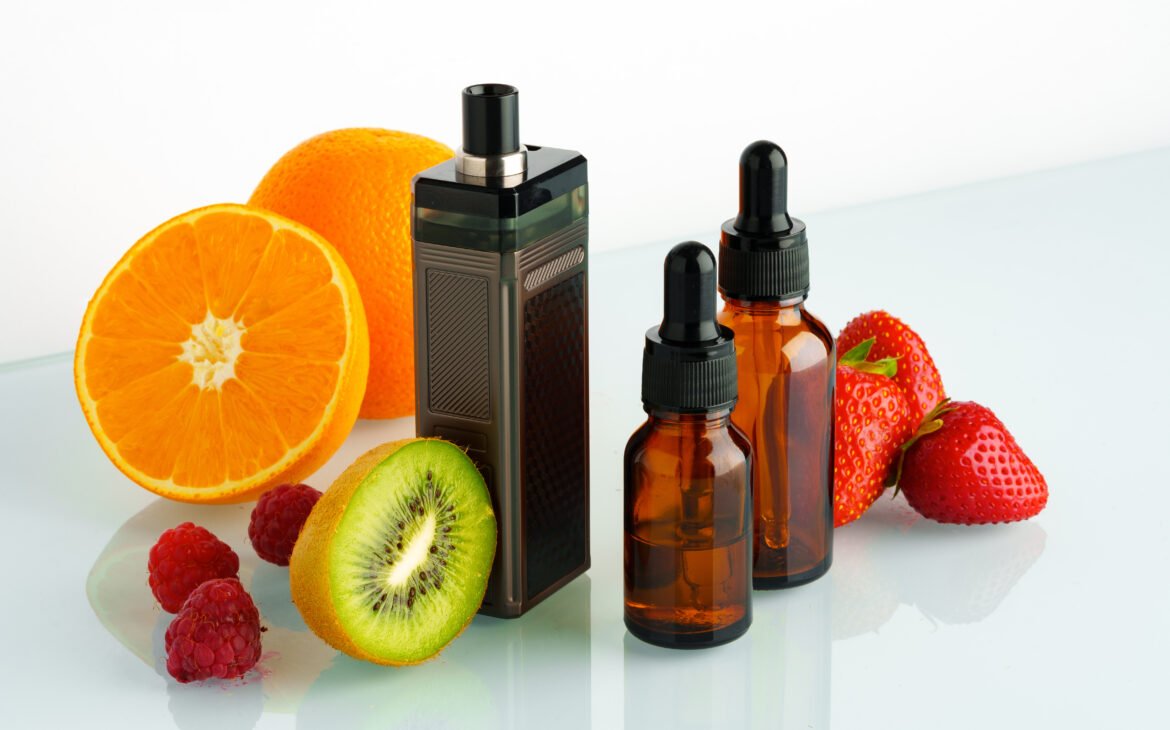
E-liquid product ranges often include a wide variety of flavour profiles, from familiar fruit combinations to dessert-inspired blends, beverage-style notes and mint or menthol profiles. Organising these options into clear categories helps customers understand product descriptions and compare different flavour styles.
The classification of ejuice flavors typically depends on the main flavour identity, supporting notes and the overall profile communicated by the manufacturer. While one product may fit neatly into a single category, a blended formulation may share characteristics with several groups.
Understanding these categories makes it easier to interpret product labels, browse online catalogues and recognise how manufacturers organise flavour collections.
What Determines an E-Liquid Flavour Category?
Flavour classification is a descriptive system used to group products according to their intended sensory characteristics. Manufacturers and retailers may use slightly different category names, but many product ranges follow similar broad groupings.
Three factors commonly guide classification:
- Primary flavour identity: The main characteristic used to describe the product.
- Supporting notes: Additional flavour elements that contribute to the overall profile.
- Product description: The terminology used by the manufacturer to communicate the intended flavour style.
For example, a product featuring strawberry as its defining characteristic would usually be grouped under fruit. If the description includes strawberry and cream, it might be listed under fruit, dessert or a combined category, depending on the retailer’s classification system.
A consistent approach helps customers compare similar ejuice flavors without relying on product names alone.
1. Fruit-Inspired Ejuice Flavors
Common examples: mango, strawberry, apple, watermelon, grape and mixed berries.
Fruit-inspired e-liquids are categorised according to flavour descriptions associated with individual fruits or fruit combinations. They are among the broadest groups because fruit profiles can include citrus, berries, tropical fruits, orchard fruits and melon varieties.
Citrus profiles commonly include lemon, lime, orange and grapefruit. These descriptions generally highlight bright, zesty or tangy flavour characteristics.
Berry profiles may include strawberry, raspberry, blueberry, blackberry or combinations of several berries. A mixed-berry product belongs to the same broad family, even when its description includes multiple fruit notes.
Tropical profiles can feature mango, pineapple, passion fruit, guava or similar fruit references. Orchard-fruit profiles may include apple, pear and peach, while melon-inspired descriptions can feature watermelon or cantaloupe.
When a product combines fruit with another category, such as cream or mint, its primary classification depends on the defining profile and the retailer’s taxonomy. Secondary tags can communicate the additional notes.
2. Dessert-Inspired Ejuice Flavors
Common examples: vanilla custard, caramel, cheesecake, pastry and cream.
Dessert-inspired profiles draw on flavour descriptions associated with confectionery, baked goods and sweet dishes. Rather than representing one fruit or ingredient, they often communicate a broader culinary style.
Cream and custard profiles use descriptions such as vanilla cream, custard or milk-inspired notes. These products are commonly grouped under dairy-style or dessert categories.
Bakery-inspired profiles include references to cakes, cookies, pastries, doughnuts and baked desserts. A product described as cinnamon pastry, for instance, may combine a bakery identity with a spice-related supporting note.
Confectionery profiles can include caramel, toffee, chocolate and candy-inspired descriptions. Depending on the retailer, these may sit within the dessert category or appear in a separate sweets category.
Dessert blends often combine several notes. A caramel cheesecake profile might include caramel, cream and biscuit-style characteristics. In such cases, the main category communicates the broad style, while the detailed description explains the supporting elements.
3. Beverage-Inspired Ejuice Flavors
Common examples: coffee, tea, cola, lemonade and fruit drinks.
Beverage-inspired e-liquids are classified according to flavour descriptions associated with drinks. This category can overlap with fruit, dessert and menthol groups because beverages themselves often combine several flavour characteristics.
Coffee and tea profiles may use descriptions such as espresso, roasted coffee, black tea or milk tea. These labels identify the beverage reference that defines the product.
Soft-drink-inspired profiles can include cola, lemon-lime soda and other carbonated beverage references. Their classification is based on the described drink style rather than the presence of actual beverage ingredients.
Juice and lemonade profiles often combine fruit characteristics with a recognisable drink identity. A berry lemonade profile, for example, may be tagged as beverage first and fruit second, or the reverse, depending on the catalogue structure.
Some retailers also classify energy-drink-inspired profiles separately. The most useful system is one that consistently distinguishes beverage identity from individual flavour notes.
4. Menthol- and Mint-Inspired Ejuice Flavors
Common examples: mint, menthol, peppermint and mint-based combinations.
Menthol- and mint-inspired products are often grouped together, but the terms describe different characteristics.
Mint-inspired profiles refer to flavour descriptions associated with mint varieties, such as peppermint or spearmint. These labels communicate the product’s stated mint character.
Menthol-inspired profiles refer to products described as featuring menthol. Menthol is a specific compound that creates a characteristic cooling sensation and can be used alongside other flavour notes.
Some products combine mint or menthol with fruit, such as berry-mint or citrus-menthol profiles. Depending on the dominant characteristic, a retailer may place these products in a mint or menthol category while adding fruit tags for easier discovery.
Clear terminology helps distinguish mint-forward products from blends that include menthol as one supporting component.
How Blended Profiles Fit Into Product Ranges
Not every product belongs exclusively to one category. A fruit-and-dessert blend may combine strawberry with cream, while a beverage profile might feature citrus and mint.
Retailers can organise these products through a primary category and secondary tags. For example:
| Product description | Possible primary category | Supporting tags |
| Mango | Fruit | Tropical |
| Strawberry cream | Dessert or fruit | Strawberry, cream |
| Berry lemonade | Beverage or fruit | Berry, citrus |
| Mint chocolate | Dessert | Mint, chocolate |
| Citrus menthol | Menthol | Citrus, fruit |
These are illustrative classifications, not universal standards. Manufacturers and retailers may categorise the same blend differently depending on their product range and naming conventions.
Abc Vape and E-Liquid Product Categories
Abc Vape is a Canadian online vape shop offering e-liquids, disposable vapes, e-cigarettes, pods and accessories. Its listed brands include Allo, STLTH, Rocky Vapor, Smok and Oxbar. Clear flavour descriptions and consistent product categories help customers understand the stated profiles of products within an online catalogue.
Conclusion
Fruit, dessert, beverage and menthol-inspired ejuice flavors are generally categorised according to their defining flavour identity and supporting notes. Fruit categories focus on individual fruits and combinations, dessert profiles reflect sweet dishes and baked goods, beverage categories reference drinks, and menthol or mint categories describe distinct flavour characteristics. For blended products, a primary category supported by secondary tags creates a clear and consistent way to organise product ranges. Understanding these distinctions helps readers interpret flavour descriptions and compare products more effectively.