
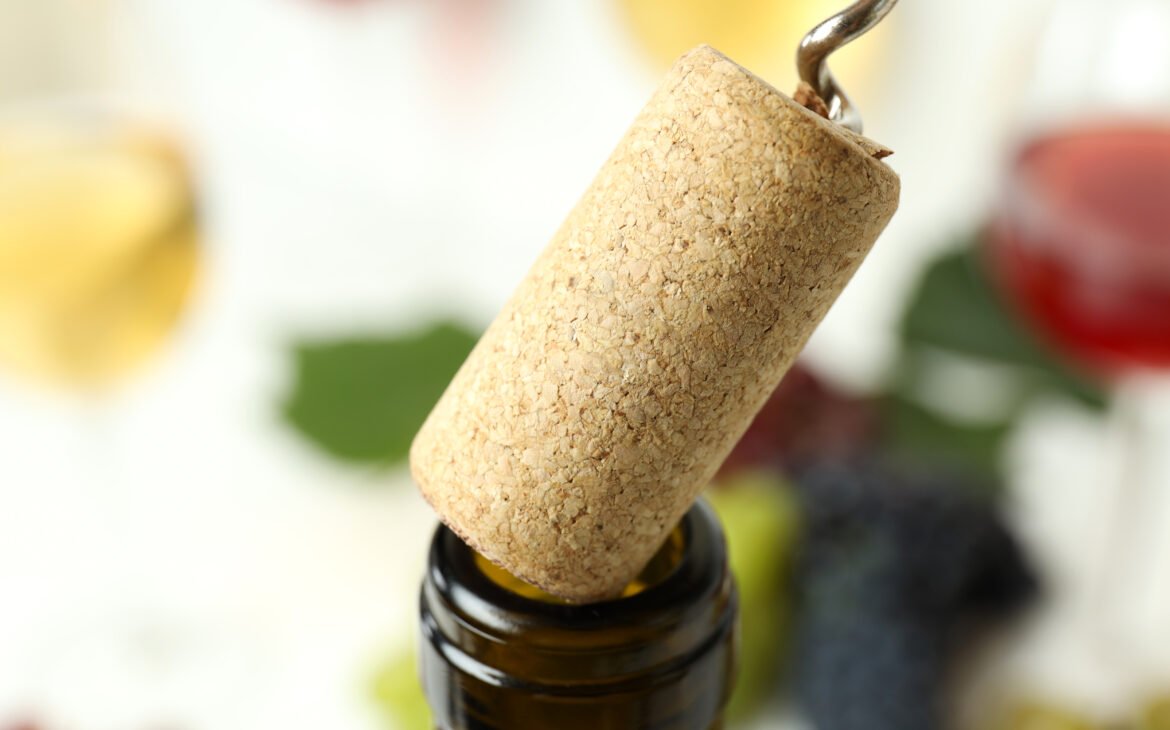
Every bottle of wine tells a story, of climate, soil, grape variety, and craftsmanship. Yet once the cork is pulled and the last glass poured, many wine lovers in Ireland are left wondering: what should I do with the wine cork?
Unlike glass bottles, cork is not always straightforward to dispose of. But as sustainability becomes central to both wine production and consumption, understanding how to recycle wine corks in Ireland is an important part of being a responsible wine drinker.
In this guide, we’ll explore:
- What a wine cork is made from
- Why cork matters to wine quality
- How cork interacts with ageing and flavour
- Where and how to recycle cork in Ireland
- Sustainable alternatives and reuse ideas
And along the way, we’ll connect the humble cork to the deeper science of wine itself, from terroir to texture.
What Is a Wine Cork and Why Does It Matter?
A traditional wine cork is made from the bark of the cork oak tree (Quercus suber), primarily grown in Portugal and parts of Spain. Cork harvesting is uniquely sustainable: the tree is not cut down. Instead, the bark is stripped every 9–12 years, and the tree regenerates naturally.
From a scientific perspective, cork is remarkable:
- It is lightweight and elastic
- It is composed of suberin, a hydrophobic substance that resists liquid penetration
- It contains millions of microscopic air-filled cells that allow controlled oxygen transfer
This controlled oxygen ingress is crucial for wine development.
How Cork Influences Wine Colour, Texture, and Ageing
Many people think of cork as just a closure. In reality, it plays a subtle but critical role in how wine evolves in bottle.
Oxygen and Wine Evolution
Red wines, especially those with deep colour and firm tannins, require small amounts of oxygen over time to soften and integrate. A natural cork allows micro-oxygenation, tiny amounts of oxygen entering slowly, which:
- Softens tannins
- Deepens aromatic complexity
- Stabilises anthocyanins (pigment compounds responsible for deep ruby or garnet colour)
- Enhances mouthfeel and texture
For example:
- Cabernet Sauvignon from warm climates develops structured tannins that benefit from gradual oxygen exposure.
- Malbec, known for its inky colour, evolves toward softer plum and cocoa notes during cork-aged maturation.
- Tempranillo from Rioja develops leather and dried fruit notes during extended ageing under cork.
A screwcap creates a more reductive environment (less oxygen exposure), which can preserve freshness but may alter long-term ageing character. That’s why many age-worthy wines still rely on natural cork.
Cork and Terroir: A Sustainable Connection
Terroir, the combination of soil, climate, altitude, and viticultural practice, shapes grape characteristics long before fermentation begins.
- Warm climates increase sugar concentration and phenolic ripeness.
- Cooler climates preserve acidity and aromatic precision.
- Soil types influence water retention and vine stress.
But cork forests themselves are also ecosystems. Mediterranean cork oak landscapes absorb significant carbon dioxide, support biodiversity, and prevent desertification.
Choosing natural cork closures supports these sustainable agricultural systems. Recycling cork extends that sustainability even further.
Can You Recycle Wine Corks in Ireland?
Yes, but not through standard household recycling bins.
Natural cork is biodegradable and recyclable, but it requires separate collection. Ireland does not yet offer universal kerbside cork recycling, so alternative channels are necessary.
1. Dedicated Cork Recycling Programmes
Some retailers, wine shops, and eco-focused initiatives collect natural corks for recycling. These corks are often:
- Granulated and reused in flooring
- Repurposed in insulation materials
- Used in eco-friendly building products
- Reprocessed into design or craft materials
It’s important to note:
Synthetic corks (made from plastic) and screwcaps must not be mixed with natural cork recycling streams.
2. Community Recycling Points
Occasionally, environmental groups and wine merchants partner with cork recycling organisations. It’s worth checking:
- Independent wine shops
- Zero-waste stores
- Sustainable lifestyle retailers
3. Composting at Home
Because natural cork is plant-based, you can compost it, but it breaks down slowly. Cutting the cork into smaller pieces accelerates decomposition.
Do not compost synthetic corks.
Why Recycling Cork Matters for Wine Sustainability
The wine industry is increasingly climate-conscious. From regenerative viticulture to lightweight glass bottles, sustainability is reshaping production.
Recycling your wine cork contributes in three key ways:
- Reduces landfill waste
- Supports cork forest ecosystems
- Encourages circular economy practices in wine packaging
Given Ireland’s growing wine culture, small actions, multiplied across thousands of households, create measurable environmental impact.
Creative Ways to Reuse Wine Corks at Home
If recycling access is limited, reuse can be practical and creative.
- DIY notice boards
- Herb garden markers
- Bottle stoppers for oil or vinegar
- Craft projects
- Natural fire starters
For wine educators and collectors, keeping labelled corks from memorable bottles also serves as a tactile record of tasting history.
How Cork Supports Deep Colour and Rich Texture in Wine
Let’s return to the bottle itself.
Wines with deep colour, such as Syrah, Malbec, and Cabernet Sauvignon, contain high levels of anthocyanins and tannins extracted during fermentation.
During barrel ageing and bottle ageing under cork:
- Polymerisation occurs (tannins bond together and soften)
- Colour pigments stabilise
- Aromas shift from primary fruit to tertiary complexity
Without controlled oxygen exposure, this transformation is altered. That is why the wine cork remains deeply connected to how a wine’s texture, mouthfeel, and aromatic layers evolve over years.
In short, the cork is not an afterthought, it is part of the ageing system.
A Helpful Resource for Wine Lovers in Ireland
For those exploring wine more deeply, discovering new regions, and building a thoughtful cellar at home:
Buy Wine Online from Box of Wine, Ireland’s best tailored to your taste wine subscription service. Tailored boutique wine delivered to your door, every month. Next day Wine delivery in Ireland! Also, selection of boxed wine that delivers quality.
For wine enthusiasts interested in sustainability, terroir-driven selections, and discovering how climate and grape variety shape flavour, curated services can be an educational extension of your wine journey.
Conclusion: Small Actions, Meaningful Impact
Recycling wine corks in Ireland may require a little extra effort, but it reflects a broader awareness of how wine connects agriculture, climate, science, and sustainability.
From the cork oak forests of the Mediterranean to the structured red wines ageing quietly in Irish homes, the cork represents more than a closure. It is part of a natural cycle that continues even after the bottle is empty.
The next time you pull a cork from a deeply coloured, richly textured wine, consider its journey, and give it a second life through recycling or reuse.
Wine appreciation doesn’t end with the final glass.