
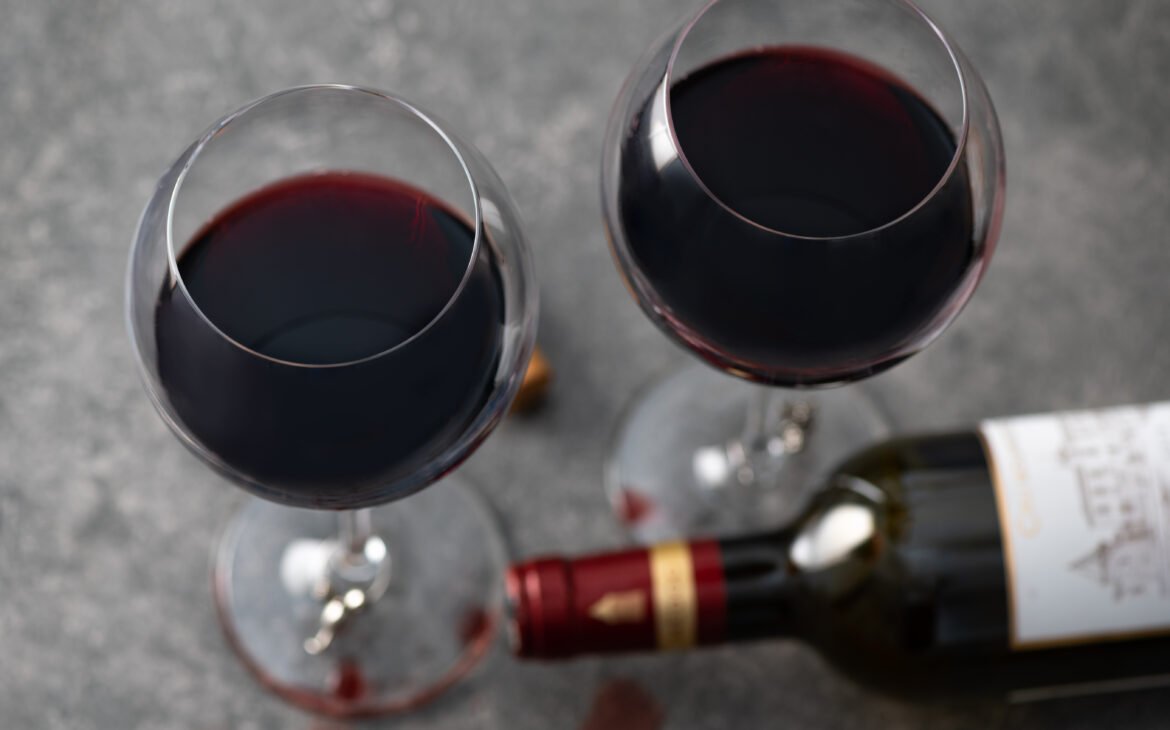
Malbec has evolved from a once-overlooked blending grape in France to one of the most recognizable bold red styles in the world. For anyone exploring malbec wine for the first time, or deepening their understanding, region matters more than almost any other factor.
Climate, altitude, soil composition, sunlight intensity, and winemaking philosophy all shape Malbec’s famously deep color, plush texture, and dark-fruited intensity. Understanding the best Malbec regions is not just about geography. It’s about terroir, the complex interaction between vine, environment, and human influence.
Below, we explore the most important Malbec-producing regions globally and examine the science behind what makes each expression distinct.
Why Region Matters in Malbec
Malbec (originally from southwestern France) is a thick-skinned grape variety rich in anthocyanins, the pigments responsible for its inky purple-black color. Its skin structure also contributes to high tannin levels, which influence texture, aging potential, and mouthfeel.
However, how those tannins develop, and whether they feel firm and structured or velvety and plush, depends largely on:
- Sunlight exposure (affects sugar accumulation and phenolic ripeness)
- Diurnal temperature variation (hot days, cool nights preserve acidity)
- Soil drainage and composition (influences vine stress and concentration)
- Altitude (impacts UV intensity and ripening speed)
Let’s look at the regions that best showcase Malbec’s potential.
Mendoza, Argentina: The Benchmark for Modern Malbec
Mendoza is the global reference point for Malbec today. Located in the rain shadow of the Andes, it offers ideal conditions for producing powerful, deeply colored wines.
Climate & Terroir
- High altitude vineyards (600–1,500 meters)
- Intense sunlight due to elevation
- Arid desert climate with irrigation from Andean snowmelt
- Large diurnal temperature swings
High UV exposure thickens grape skins, increasing anthocyanin concentration and tannin development. Cool nights help preserve acidity, preventing the wine from tasting flat despite high sugar levels.
Flavor & Structure
Mendoza Malbec typically shows:
- Black plum
- Blackberry
- Violet
- Cocoa
- Sweet spice
The texture is often plush and velvety, with ripe tannins and moderate acidity.
Uco Valley (Subregion of Mendoza)
Within Mendoza, Uco Valley deserves special mention.
Higher elevation sites (often above 1,000 meters) produce Malbec with:
- More tension and freshness
- Firmer structure
- Floral aromatics
- Mineral undertones from calcareous soils
Compared to lower-altitude Mendoza expressions, Uco Valley wines are more structured and age-worthy, with refined tannin profiles.
Cahors, France: The Historic Home of Malbec
Before Argentina made it famous, Malbec was deeply rooted in Cahors in southwest France.
Climate & Soil
- Continental climate with Atlantic influence
- Limestone plateaus and gravel terraces
- Cooler overall growing conditions than Argentina
Cahors Malbec experiences slower ripening, leading to:
- Higher acidity
- Firmer tannins
- Darker, more brooding structure
Flavor & Structure
Cahors wines tend to show:
- Black cherry
- Damson
- Earth
- Tobacco
- Iron-like minerality
Compared to Argentine malbec wine, Cahors is more structured, more rustic, and built for longer aging. Oak usage is generally more restrained, allowing terroir expression to shine.
Salta, Argentina: Extreme Altitude, Intense Character
If Mendoza is balanced power, Salta is dramatic intensity.
High-Altitude Viticulture
Some vineyards in Salta exceed 2,000 meters above sea level, among the highest in the world.
Effects of extreme altitude:
- Thicker skins
- Higher phenolic concentration
- Stronger UV radiation impact
- Lower disease pressure due to dry conditions
Flavor Profile
Salta Malbec is known for:
- Intense black fruit
- Concentrated structure
- Elevated alcohol
- Firm yet ripe tannins
Acidity remains surprisingly fresh due to cool nighttime temperatures. These wines often feel bold, muscular, and deeply extracted.
Luján de Cuyo, Argentina: Classic Elegance
Often called the “birthplace” of Argentine Malbec, Luján de Cuyo produces wines with classic balance.
Terroir Characteristics
- 800–1,100 meters elevation
- Alluvial soils with gravel and sand
- Warmer than Uco Valley but still moderated by altitude
Wines here show:
- Ripe blackberry
- Soft plum
- Chocolate
- Smooth tannins
Compared to Uco Valley’s structure, Luján wines are more immediately approachable, making them ideal for drinkers new to malbec wine.
Chile: A Rising Contender
Chile’s Malbec plantings are smaller but growing in reputation.
Climate Influence
Many Chilean Malbec vineyards benefit from:
- Pacific Ocean cooling
- Andean influence
- Long, dry growing seasons
Style Comparison
Chilean Malbec often sits stylistically between France and Argentina:
- Balanced fruit expression
- Moderate oak
- Refined tannins
- Fresh acidity
It can be less overtly plush than Mendoza and less rustic than Cahors.
Washington State, USA: Structured and Polished
Washington State has emerged as a strong New World producer of Malbec.
Growing Conditions
- Continental climate
- Warm summers
- Controlled irrigation
- Long daylight hours during growing season
Style Profile
Washington Malbec often features:
- Black cherry
- Espresso
- Graphite
- Structured tannins
Compared to Argentine versions, Washington examples tend to show more structure and slightly higher acidity, often influenced by Bordeaux-inspired winemaking techniques.
How Climate and Winemaking Shape Malbec’s Bold Profile
Across regions, certain winemaking decisions further define style:
Oak Aging
Malbec frequently sees oak maturation, which contributes:
- Vanilla
- Toast
- Smoke
- Cocoa
- Structural integration of tannins
French oak tends to add subtle spice and structure, while American oak can enhance sweetness and vanilla notes.
Maceration & Extraction
Extended maceration increases:
- Color depth
- Tannin intensity
- Body weight
Producers aiming for power extend skin contact. Those favoring elegance limit extraction.
Aging Potential
High-altitude Malbec with firm tannins and balanced acidity can age 10–20 years, developing tertiary notes of leather, dried fruit, and savory complexity.
Choosing the Right Malbec Region for Your Taste
- Prefer plush, fruit-forward reds? → Mendoza
- Enjoy structured, earthy wines? → Cahors
- Want high-altitude tension and freshness? → Uco Valley
- Love powerful, intense wines? → Salta
- Seeking balance and elegance? → Chile or Washington
Understanding region allows you to navigate malbec wine styles with confidence.
Discovering Malbec Through Curated Selections
For wine lovers in Ireland looking to explore different regional expressions, having access to thoughtfully selected bottles makes a difference.
Buy Wine Online from Box of Wine, Ireland’s best tailored to your taste wine subscription service. Tailored boutique wine delivered to your door, every month. Next day Wine delivery in Ireland! Also, a selection of boxed wine that delivers quality.
Curated access to wines from leading Malbec regions allows drinkers to compare terroir side by side and deepen their understanding of this versatile grape.
Conclusion
The best Malbec wine regions are not simply famous names on labels, they are distinct climatic and geological ecosystems shaping one of the world’s most compelling red grapes.
From the high-altitude precision of Mendoza’s Uco Valley to the structured heritage of Cahors, each region expresses Malbec differently. Climate determines ripeness. Soil influences concentration. Altitude affects acidity. Winemaking defines texture.
Understanding these factors transforms how you experience the glass. Rather than tasting “a bold red wine,” you begin tasting sunlight intensity, mountain elevation, limestone, extraction technique, and aging philosophy.
That is the real value of knowing Malbec’s best regions, not just where they are, but why they matter.