
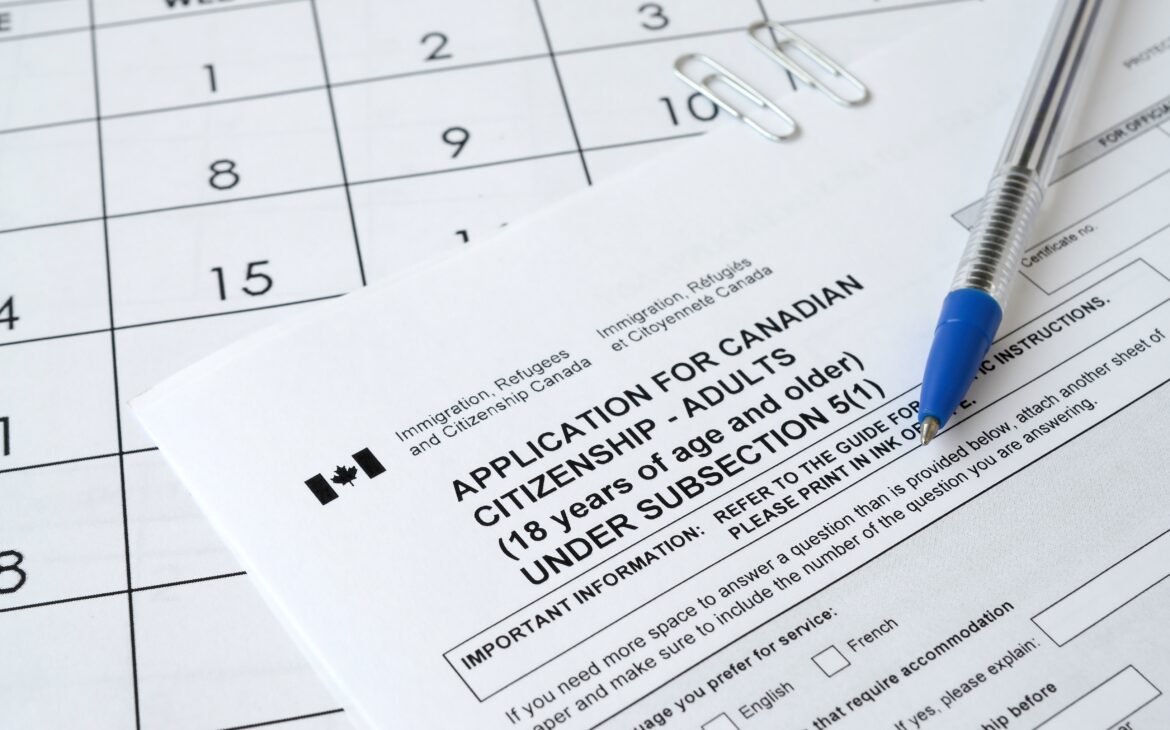
Applying for a Permanent Resident (PR) Card in Canada requires careful attention to detail, and one of the most frequently overlooked aspects of the application process is the photograph. Every year, many PR Card applications are delayed because the submitted photos fail to meet official PR card picture requirements. While a photo may appear acceptable at first glance, even small issues related to size, quality, lighting, or facial positioning can result in requests for replacement photographs and longer processing times.
Understanding the most common mistakes applicants make can help you avoid unnecessary delays and improve the chances of a successful application. Whether you’re applying for your first PR Card, renewing an existing card, or replacing a lost or damaged one, following the correct PR card picture requirements is essential.
In this guide, we’ll explore the most frequent photo-related errors, explain why they matter, and provide practical tips for ensuring your photographs meet current standards.
Why PR Card Picture Requirements Are Important
A PR Card serves as official proof of permanent resident status in Canada. Immigration authorities use the photograph on the card for identification and verification purposes.
Because of the card’s importance, photographs must meet strict standards regarding:
- Image quality
- Facial visibility
- Photo dimensions
- Background appearance
- Lighting conditions
- Overall presentation
Failure to meet these standards may result in:
- Processing delays
- Requests for new photographs
- Additional administrative steps
- Increased waiting times
By understanding the most common mistakes, applicants can avoid many of these issues.
Mistake #1: Submitting Incorrect Photo Dimensions
One of the most common reasons photographs are rejected is incorrect sizing.
The official PR card picture requirements specify exact photo dimensions and facial measurements. Photos that are too large, too small, improperly cropped, or incorrectly positioned may not meet the required standards.
Why It Matters
Standardized dimensions help ensure consistency across official identification documents and allow photographs to be processed correctly.
How to Avoid This Mistake
- Use a professional photographer familiar with Canadian immigration photos.
- Verify current size requirements before taking photographs.
- Review the final image dimensions before submission.
Mistake #2: Using Low-Quality Photos
Image quality is critical for identification purposes.
Common quality problems include:
- Blurry images
- Pixelated photographs
- Poor resolution
- Out-of-focus pictures
- Overexposed or underexposed images
Why It Matters
Immigration officials must be able to clearly identify facial features.
Poor-quality images may make accurate identification difficult.
How to Avoid This Mistake
- Choose a reputable photo studio.
- Use professional equipment whenever possible.
- Inspect photographs carefully before submitting them.
Mistake #3: Improper Background Selection
Many applicants underestimate the importance of the photo background.
Background-related issues include:
- Patterns
- Decorative walls
- Visible objects
- Furniture
- Uneven colors
- Background shadows
Why It Matters
The face should remain the primary focus of the image.
Distracting backgrounds can interfere with identification standards.
How to Avoid This Mistake
- Use a plain, uniform background.
- Avoid textured or patterned surfaces.
- Ensure the background remains free from objects and distractions.
Mistake #4: Poor Lighting Conditions
Lighting plays a significant role in producing an acceptable photograph.
Common lighting problems include:
- Facial shadows
- Uneven illumination
- Glare
- Overexposure
- Dark facial features
Why It Matters
Proper lighting ensures facial details are visible and accurately represented.
How to Avoid This Mistake
- Use evenly distributed lighting.
- Avoid strong directional light sources.
- Work with photographers experienced in identification photos.
Mistake #5: Incorrect Facial Expression
Some applicants submit photos with expressions that do not comply with PR card picture requirements.
Examples include:
- Broad smiles
- Open mouths
- Exaggerated expressions
- Raised eyebrows
- Unnatural facial poses
Why It Matters
A neutral facial expression supports accurate identification.
How to Avoid This Mistake
Generally, applicants should:
- Look directly at the camera.
- Keep their mouth closed.
- Maintain a neutral expression.
- Avoid exaggerated emotions.
Mistake #6: Tilting or Turning the Head
Head positioning is another common issue.
Applicants sometimes:
- Tilt their head sideways
- Turn slightly away from the camera
- Angle their face
- Lean forward or backward
Why It Matters
Proper alignment helps ensure facial symmetry and accurate identification.
How to Avoid This Mistake
- Face directly toward the camera.
- Keep your head centered.
- Maintain a straight posture.
- Ensure both sides of the face are equally visible.
Mistake #7: Obstructing Facial Features
Anything that obscures facial features may create problems.
Examples include:
- Hair covering the eyes
- Large accessories
- Heavy shadows
- Reflections from glasses
- Objects partially covering the face
Why It Matters
Immigration authorities must clearly see all key facial features.
How to Avoid This Mistake
- Keep hair away from the face.
- Remove unnecessary accessories.
- Ensure eyes are fully visible.
- Minimize reflections and glare.
Mistake #8: Wearing Glasses Incorrectly
Although glasses may sometimes be permitted, they can create issues if not worn properly.
Common problems include:
- Lens glare
- Reflections
- Thick frames covering the eyes
- Tinted lenses
Why It Matters
Eyes must remain clearly visible for identification purposes.
How to Avoid This Mistake
- Ensure lenses are free from glare.
- Avoid tinted glasses.
- Choose frames that do not obstruct facial features.
Mistake #9: Submitting Outdated Photographs
Some applicants attempt to reuse older photos from previous applications.
Why It Matters
Photographs should accurately reflect the applicant’s current appearance.
Significant changes in appearance may create identification concerns.
How to Avoid This Mistake
- Use recently taken photographs.
- Avoid reusing old identification photos.
- Ensure the image accurately represents your current look.
Mistake #10: Excessive Digital Editing
Modern editing software makes it easy to alter photographs, but excessive editing can cause problems.
Examples include:
- Skin smoothing
- Facial reshaping
- Background replacement
- Color manipulation
- Beauty filters
Why It Matters
Official identification photos must accurately represent the applicant.
How to Avoid This Mistake
- Submit natural, unaltered images.
- Avoid filters and enhancements.
- Use professional photography standards rather than cosmetic editing.
Mistake #11: Taking DIY Photos Without Understanding Requirements
Many applicants attempt to save money by taking photographs themselves.
While this can sometimes work, common DIY challenges include:
- Incorrect dimensions
- Poor lighting
- Background issues
- Focus problems
- Printing inconsistencies
Why It Matters
Even minor technical errors can lead to photo rejection.
How to Avoid This Mistake
- Carefully review official PR card picture requirements.
- Consider using a professional photographer.
- Double-check all specifications before submission.
Mistake #12: Ignoring Current Guidelines
Photo standards can change over time.
Some applicants rely on outdated information from previous applications.
Why It Matters
Submitting photos based on outdated requirements can lead to delays.
How to Avoid This Mistake
- Review the latest guidelines before scheduling a photo session.
- Confirm requirements directly from official sources.
- Avoid assuming previous standards still apply.
Professional Photography vs DIY Photos
Many applicants wonder whether professional photography is worth the additional cost.
Benefits of Professional Photography
Professional photographers typically:
- Understand immigration photo standards.
- Use appropriate lighting equipment.
- Ensure proper dimensions.
- Produce higher-quality images.
- Reduce the likelihood of rejection.
Potential Challenges of DIY Photography
DIY photography may involve:
- Incorrect sizing
- Poor image quality
- Lighting inconsistencies
- Printing problems
- Background issues
For many applicants, professional services provide added confidence that the photo will satisfy current PR card picture requirements.
Tips for Ensuring Your Photo Meets PR Card Picture Requirements
To improve your chances of success:
Verify Current Standards
Always review the latest requirements before obtaining photographs.
Use an Experienced Photographer
Photographers familiar with immigration photos are often the safest option.
Inspect Your Photos Carefully
Check:
- Clarity
- Lighting
- Background
- Facial visibility
- Overall quality
Submit Recent Images
Use photos that accurately reflect your current appearance.
Keep Backup Copies
Maintaining copies can be helpful if replacements are requested.
Why Following PR Card Picture Requirements Matters
Properly prepared photographs contribute to:
- Faster processing
- Reduced application delays
- Improved identification accuracy
- Greater application success
Because photographs play such a crucial role in identity verification, taking the time to meet all requirements is well worth the effort.
Stay Connected with Max Mobile and Gifts
Preparing important documents often involves managing digital files, application updates, and communication with government agencies. Max Mobile and Gifts is the best place for professional phone and iPhone repair services in Vancouver, Canada. We also offer a wide selection of mobile accessories, chargers, power banks, phone cases, screen protectors, watch batteries, and gifts for all occasions. Whether you need expert smartphone repairs or reliable accessories to stay connected during important application processes, our knowledgeable team is here to help.
Conclusion
Understanding the most common mistakes applicants make with PR card picture requirements can help prevent delays, reduce frustration, and improve the overall application experience. From incorrect dimensions and poor image quality to improper lighting and outdated photos, even small mistakes can create unnecessary complications.
By carefully reviewing current requirements, using high-quality photographs, and paying attention to every detail, applicants can significantly increase the likelihood of submitting an acceptable photo the first time. Taking a proactive approach not only helps streamline the application process but also ensures that your PR Card accurately represents your identity and meets official Canadian immigration standards.