
As mobile technology continues to evolve, smartphone users in Canada have more options than ever when connecting to a wireless network. One of the most significant developments in recent years is the introduction of eSIM technology. While traditional SIM cards remain widely used, many modern devices now support eSIM functionality as well.
For customers considering a lucky mobile plan, understanding the difference between a physical SIM card and an eSIM can help simplify the setup process and improve the overall mobile experience. Both options serve the same primary purpose: connecting a smartphone to the mobile network. However, they differ in how they are installed, activated, and managed.
This guide explains the key differences between a physical SIM card and an eSIM on lucky mobile, how each works, and what users should consider when choosing between them.
What Is a Physical SIM Card?
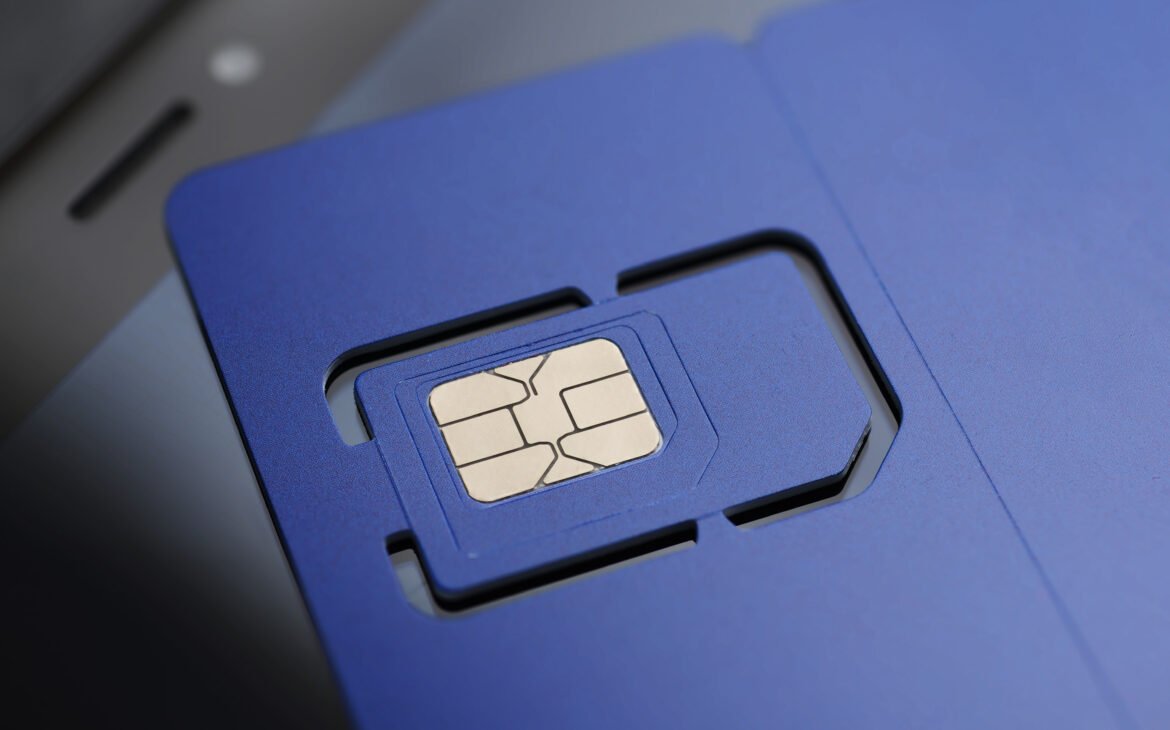
A physical SIM card is a small removable chip inserted into a smartphone or other mobile device. SIM stands for Subscriber Identity Module, and it stores information that identifies a user’s mobile account on a wireless network.
For many years, physical SIM cards have been the standard method for connecting devices to mobile services. Most smartphones feature a SIM tray that holds a Nano SIM card, which is currently the most common SIM size.
When using a lucky mobile physical SIM card, users simply insert the card into a compatible device and complete the activation process.
How a Physical SIM Card Works
A physical SIM card contains account information that allows the device to:
- Access the mobile network
- Make and receive calls
- Send and receive text messages
- Use mobile data services
The SIM card acts as a secure identifier between the smartphone and the wireless provider.
What Is an eSIM?
An eSIM, or embedded SIM, is a digital version of a traditional SIM card. Instead of inserting a removable chip into the phone, the SIM technology is built directly into the device’s hardware.
Many newer smartphones support eSIM technology, including several recent iPhone and Android models.
With an eSIM, account information is downloaded digitally onto the device. This allows users to activate mobile service without inserting a physical card.
For lucky mobile users with compatible devices, eSIM technology offers a modern way to connect to the network.
How an eSIM Works
An eSIM functions similarly to a physical SIM card. It enables:
- Voice calls
- Text messaging
- Mobile data access
- Account authentication
The difference lies in the activation process, which is completed digitally through software settings on the device.
Physical SIM Card vs eSIM: Understanding the Differences
Although both options connect a device to the lucky mobile network, there are several important distinctions.
Installation Method
A physical SIM card requires insertion into the phone’s SIM tray.
An eSIM is already integrated into the device and is activated through software settings.
Activation Process
A traditional lucky mobile SIM card is activated after installation and account setup.
An eSIM is activated digitally through a QR code or account provisioning process, depending on device compatibility and service requirements.
Device Switching
With a physical SIM card, users can move the SIM from one compatible phone to another.
An eSIM profile is managed through device settings and can be transferred according to the device and service setup process.
Space Efficiency
Because an eSIM is built directly into the device, smartphone manufacturers can use internal space more efficiently. This allows room for additional features and design improvements.
Which Phones Support eSIM Technology?
Many recent smartphones support eSIM functionality.
Popular examples include:
Apple iPhone Models
- iPhone 11 Series
- iPhone 12 Series
- iPhone 13 Series
- iPhone 14 Series
- iPhone 15 Series
- Newer iPhone models
Google Pixel Devices
- Pixel 6
- Pixel 7
- Pixel 8
- Newer Pixel models
Samsung Galaxy Smartphones
- Galaxy S Series
- Galaxy Z Fold Series
- Galaxy Z Flip Series
- Select Galaxy A Series devices
As smartphone technology advances, eSIM support continues to become more common.
Benefits of a Physical SIM Card
Many users continue to prefer a physical SIM card because of its familiarity and straightforward setup.
Benefits include:
- Easy installation
- Compatibility with many devices
- Simple device switching
- Widely supported smartphone models
A physical lucky mobile SIM card remains a practical option for many users across Canada.
Benefits of an eSIM
eSIM technology offers a modern approach to mobile connectivity.
Advantages include:
- Digital activation process
- Reduced need for removable components
- Convenient account management
- Support for multiple mobile profiles on some devices
- Faster setup on compatible smartphones
As more devices support eSIM technology, its popularity continues to grow among mobile users.
How Do You Know Which Option Is Right for You?
Choosing between a physical SIM card and an eSIM often depends on the device being used and personal preferences.
A physical lucky mobile SIM card may be ideal for users who frequently move service between devices or prefer traditional setup methods.
An eSIM may appeal to users with newer smartphones who enjoy digital account management and streamlined activation.
Since both options provide access to the same network services, the choice often comes down to convenience and device compatibility.
Can You Use Mobile Data, Calls, and Texting With Both Options?
Yes. Whether using a physical SIM card or an eSIM, lucky mobile customers can access:
- Voice calling
- Text messaging
- Mobile data services
- Account management features
Both technologies are designed to deliver a reliable mobile experience when used with compatible devices.
About Max Mobile and Gifts
Max Mobile and Gifts is the best place for professional phone and iPhone repair services in Vancouver, Canada. The business also offers a wide selection of accessories and gifts for all occasions.
Services available include cell phone repair, fob copy, key cutting, passport and PR photo services, mobile accessories, photo copy and printing services, watch battery replacement, luggage, hip hop jewellery, perfume, and cologne. The store serves customers looking for technology support, repair services, accessories, and convenient everyday solutions in Vancouver.
Conclusion
Understanding the difference between a physical SIM card and an eSIM can help lucky mobile users make informed decisions when setting up mobile service. Both options provide access to calling, texting, and data services while offering unique approaches to activation and account management.
A physical SIM card remains a familiar and widely used solution, while eSIM technology introduces a digital and flexible alternative for compatible devices. By checking smartphone compatibility and understanding how each option works, users can choose the setup that best suits their mobile needs and enjoy a seamless experience on the lucky mobile network.