
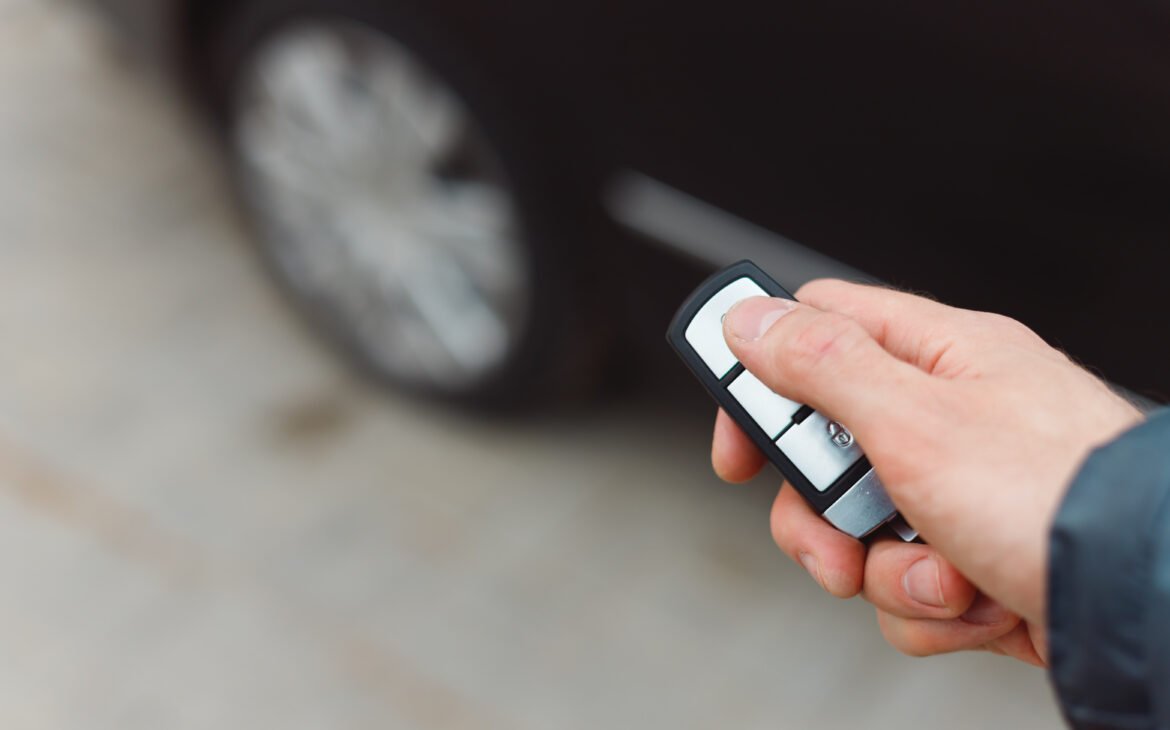
Key fobs play a crucial role in everyday security and convenience, unlocking vehicles, opening garage doors, activating alarms, and controlling smart home devices. But over time, many people notice that their fob becomes weaker, responds inconsistently, or stops working altogether. In most cases, this issue comes down to a loss or weakening of the Key Fob Frequency, which is the radio signal your device uses to communicate with the receiver.
Understanding why key fobs lose signal strength and how to fix the issue can save you time, frustration, and unnecessary replacement costs. This blog explores the common reasons behind frequency loss and the steps you can take to restore your key fob to full functionality.
What Is Key Fob Frequency?
Key fob frequency refers to the specific radio wave (measured in megahertz) that the key fob uses to send a coded signal to a nearby receiver. When the frequency weakens or becomes unstable, the receiver may fail to detect the signal, resulting in delayed responses or complete failure.
Most key fobs operate on popular frequencies such as 315 MHz, 433 MHz, or 868 MHz, depending on the region and type of device.
Why Do Key Fobs Lose Their Frequency Signal Over Time?
There are several reasons a key fob’s frequency may weaken. Some are related to the device itself, while others come from environmental interference or wear and tear.
1. Battery Degradation
One of the most common causes of frequency loss is an aging or weakened battery. As the battery drains, the power behind the transmitted signal decreases.
Relevant bullet points include:
- Reduced voltage leads to weak transmission power
- The signal may not travel the same distance
- Cold weather can further reduce battery output
- Some key fobs drain battery faster due to internal circuitry
A weak battery often causes intermittent response before complete failure.
2. Internal Component Wear
Key fobs contain small electronic components that may wear out over time. These include the transmitter chip, solder joints, and the small antenna inside the fob.
Factors that contribute to internal damage:
- Dropping the fob frequently
- Exposure to moisture
- Manufacturing defects
- Aging electronic parts
Even minor internal damage can alter frequency accuracy.
3. Signal Interference from the Environment
Radio signals can be heavily affected by the environment.
Common sources of interference include:
- Wi-Fi routers
- Other car remotes
- Radio towers
- LED lights
- Thick concrete walls
- Metal structures
When interference blocks or overlaps the key fob’s frequency range, the receiver may not detect the signal properly.
4. Fob Distance and Signal Obstructions
As the fob gets older, its ability to transmit long-range signals weakens. Signal obstruction also plays a significant role.
Obstructions include:
- Parking garages
- Enclosed spaces
- Other cars
- Weather conditions
These factors reduce the effective range of the frequency.
5. Damaged Antenna in the Car or Device Receiver
Sometimes the key fob is perfectly functional, but the receiving antenna in the car or home system is damaged. If the receiver can’t capture the frequency properly, it may appear that the fob is failing.
6. Incorrect Frequency After Replacement or Programming
If you recently replaced the key fob shell, internal board, or had it reprogrammed, there may be a mismatch in frequency. A key fob must operate on the correct frequency programmed for your vehicle or device.
How to Fix Key Fob Frequency Problems
Thankfully, many key fob signal issues can be fixed without needing a full replacement. Identifying the root cause helps you find the right solution.
Replace the Battery
This is the simplest and most common fix. Using a high-quality replacement battery can instantly restore signal strength.
Inspect for Internal Damage
Professionals can open the fob and check for:
- Corroded solder points
- Water damage
- Broken internal antenna
- Detached components
Minor repairs can revive the signal.
Reprogram the Key Fob
Sometimes the key fob becomes desynchronized. Reprogramming may help restore proper communication with the receiver.
Reduce Environmental Interference
If interference is the issue, try:
- Moving away from Wi-Fi routers or radio antennas
- Using the fob closer to the device
- Checking if interference occurs only in certain locations
Repair or Replace the Receiver Antenna
If the signal loss is consistent, the issue may be with the receiver. A technician can test the antenna to confirm.
Use a Frequency Tester
Professionals use specialized tools to check the exact MHz frequency of your fob. This helps identify whether the signal is weak, misaligned, or not transmitting at all.
Additional Signs Your Key Fob Is Losing Frequency Strength
If you notice any of these symptoms, frequency weakening may be the cause:
- Reduced signal range
- Slow or inconsistent response
- Buttons requiring multiple presses
- Works only from very close distances
- Stops working in certain areas
Addressing the issue early can prevent complete failure.
About Max Mobile and Gifts
Max Mobile and Gifts in Vancouver, Canada, is known for offering high-quality phone and iPhone repair services. The location also provides a wide selection of accessories and gifts for all occasions, along with helpful technical support for modern devices such as key fobs and wireless electronics.
Conclusion
Key fobs lose their frequency signal over time for many reasons, aging batteries, internal component damage, environmental interference, and even receiver issues. Since key fob frequency plays a crucial role in communication between the remote and the device, any disruption can lead to inconsistent performance or failure.
Fortunately, most frequency problems can be fixed through simple steps such as replacing the battery, repairing internal components, or testing the signal with professional tools. By understanding the causes and solutions, users can restore their key fob’s functionality and enjoy reliable performance for years to come.