
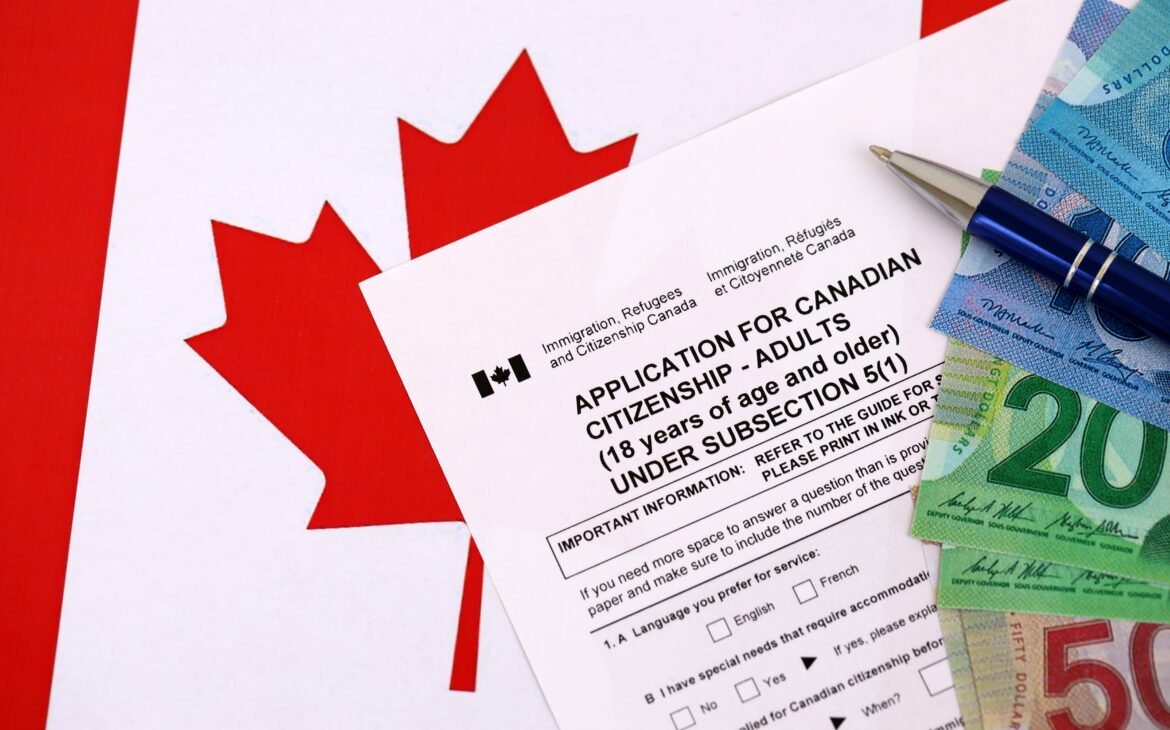
Receiving a notice that a PR card photo has been rejected is a common experience for many applicants in Canada. The process involves strict photo requirements, and even small errors can lead to a pr card photo rejected status. Understanding the exact reasons behind rejection helps ensure a successful resubmission and avoids repeated delays.
This guide explains the top 10 reasons why PR card photos are rejected in Canada and how to address each issue effectively.
Why PR Card Photo Accuracy Is Important
PR card photos are used for identity verification and official records. Immigration authorities require consistent formatting, clear visibility, and precise measurements. Any variation from the guidelines may result in a pr card photo rejected notification.
Careful attention to detail ensures smooth processing and faster approval.
Top 10 Reasons for PR Card Photo Rejection
1. Incorrect Photo Size
One of the most frequent reasons for a pr card photo rejected issue is incorrect dimensions. The required size is 50 mm wide by 70 mm high, and the face must fall within a specific measurement range.
Even slight deviations can lead to rejection.
2. Improper Face Positioning
The face must be centered and directly facing the camera. If the head is tilted or not aligned properly, it may result in a pr card photo rejected outcome.
Correct positioning ensures accurate identification.
3. Poor Lighting Conditions
Lighting plays a crucial role in photo quality. Shadows, uneven brightness, or glare can affect visibility and lead to rejection.
A well-lit photo with balanced lighting helps avoid a pr card photo rejected status.
4. Background Issues
The background must be plain white or light-colored. Patterns, textures, or shadows in the background often cause rejection.
Maintaining a clean and simple background is essential.
5. Facial Expression Not Meeting Guidelines
A neutral expression is required. Smiling, frowning, or exaggerated expressions may result in a pr card photo rejected notice.
Keeping a natural, relaxed face is recommended.
6. Low-Quality Image or Printing
Blurry images, pixelation, or low-resolution prints can lead to rejection. PR card photos must be clear, sharp, and printed on high-quality photo paper.
Quality plays a major role in avoiding issues.
7. Use of Filters or Editing
Photos must reflect natural appearance. Edited images, filters, or enhancements can alter facial features and result in a pr card photo rejected outcome.
Authenticity is important for identity verification.
8. Glasses and Accessories Interference
Glasses are allowed if they do not create glare or cover the eyes. Accessories that obstruct facial features may lead to rejection.
Clear visibility of the eyes and face is essential.
9. Missing Information on the Back
Each photo must include:
- Photographer’s name and address
- Date the photo was taken
- Applicant’s name and date of birth
Incomplete details can result in delays and a pr card photo rejected status.
10. Damaged or Improperly Handled Photos
Photos that are bent, scratched, or marked may not meet official standards. Proper handling and storage help maintain photo quality.
Ensuring the photo is in perfect condition supports approval.
How to Fix a Rejected PR Card Photo
If a pr card photo rejected notification is received, the next step involves reviewing the reason provided and preparing a new photo that meets all requirements.
Here are a few helpful steps:
- Carefully follow the instructions in the rejection notice
- Use a professional photo service for accurate results
- Double-check all specifications before submission
- Ensure proper lighting, size, and background
These steps help ensure a smooth resubmission process.
Tips to Avoid PR Card Photo Rejection
Preventing a pr card photo rejected issue is easier with proper preparation. Consider the following tips:
- Choose experienced photo service providers
- Review official Canadian photo guidelines
- Avoid last-minute photo submissions
- Ensure all details are accurate and complete
Preparation plays a key role in achieving successful results.
Understanding Key Cutting and Related Services
There Key cutting refers to the process of shaping a key from a blank key based on a specific lock design or code. Instead of using an existing key as the template, key cutting may involve creating a key from the lock’s technical specifications.
This service is commonly used for residential and commercial access, including condo systems where secure entry is essential.
Convenience of Combined Everyday Services
Many individuals handling PR applications also require additional services such as document printing, photo services, and key-related solutions. Having access to these services in one place simplifies daily tasks and improves efficiency, especially for those managing identification and access tools like condo key fobs.
Business Information
Max Mobile and Gifts is the best place for professional phone and iPhone repair services in Vancouver, Canada. The business also offers a wide selection of accessories and gifts for all occasions.
Services include:
- Cell phone repair
- Fob copy
- Key cutting
- Passport & PR photo services
- Mobile accessories
- Photo copy & printing services
- Watch battery replacement
- Luggage
- Hip hop jewellery
- Perfume and cologne
Conclusion
A pr card photo rejected notification is usually caused by small but important errors in size, lighting, or formatting. Understanding the top reasons for rejection helps applicants prepare accurate photos and avoid repeated issues.
By following official guidelines, ensuring high-quality images, and reviewing every detail carefully, applicants can improve their chances of approval. A well-prepared photo supports a smooth PR card application process and helps avoid unnecessary delays.